
Appearance

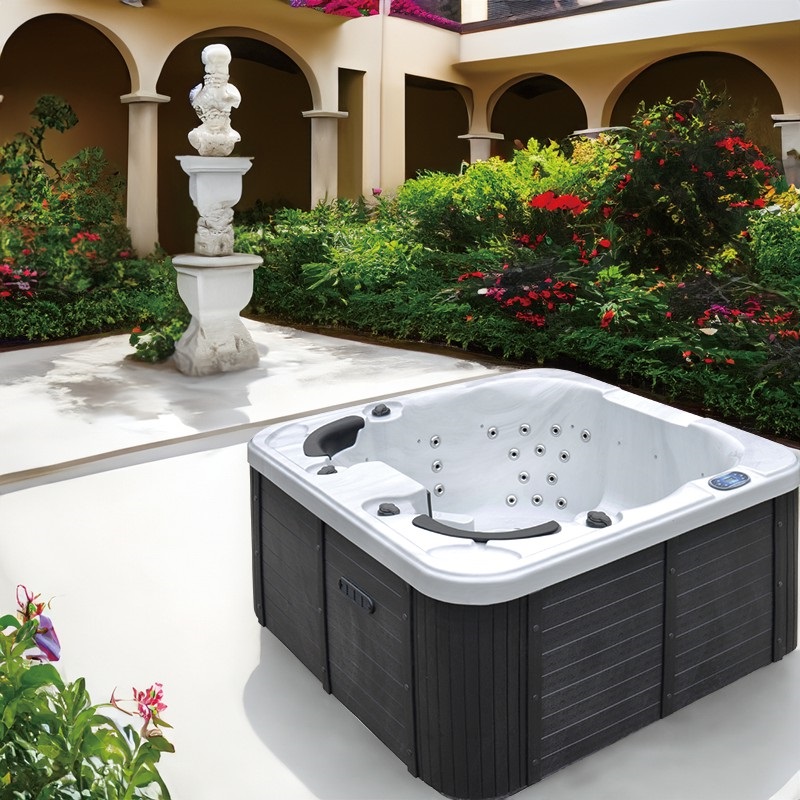
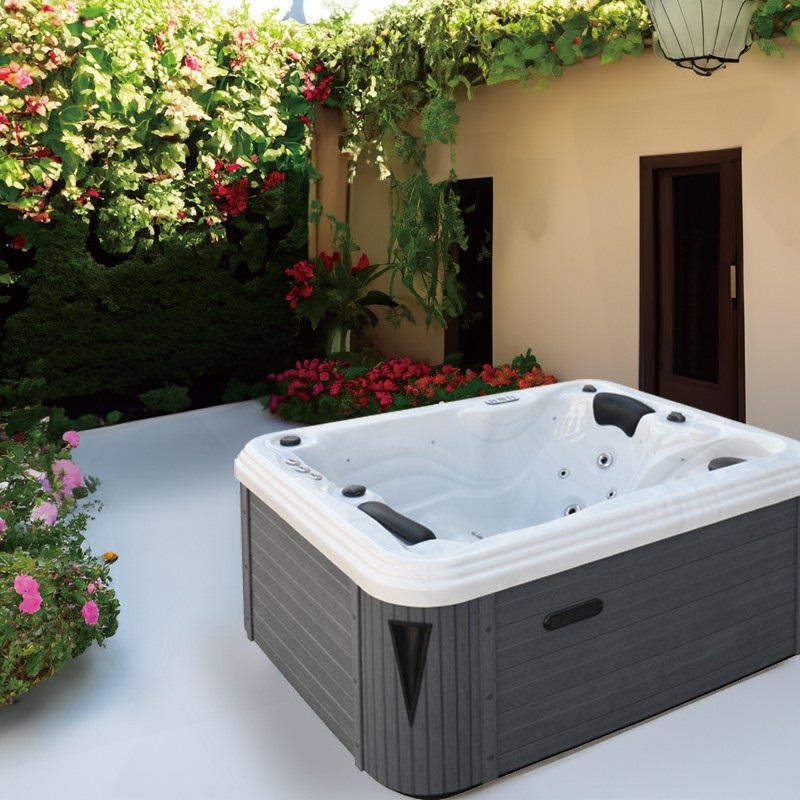
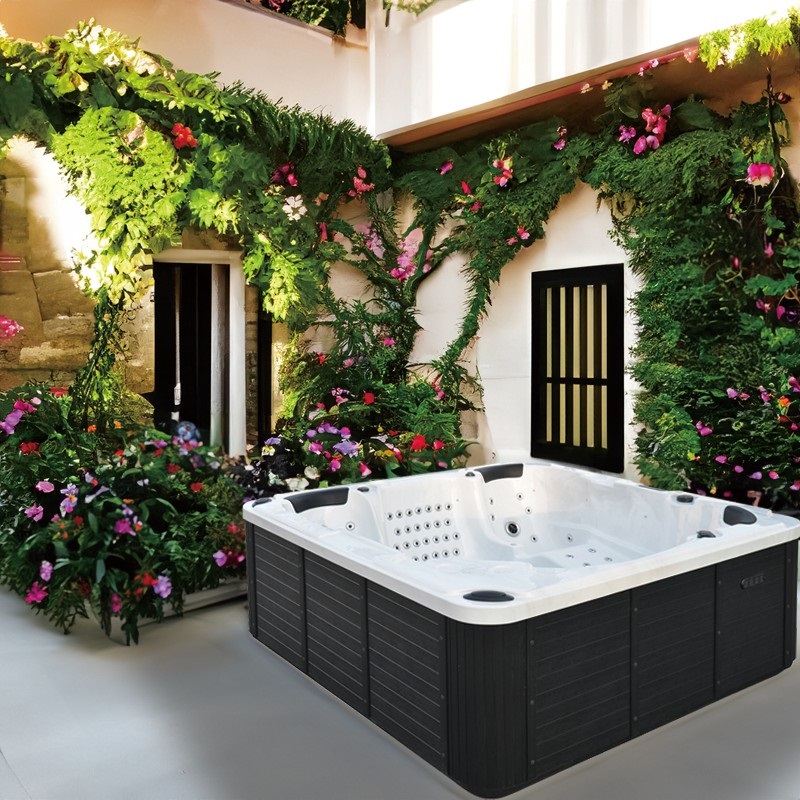
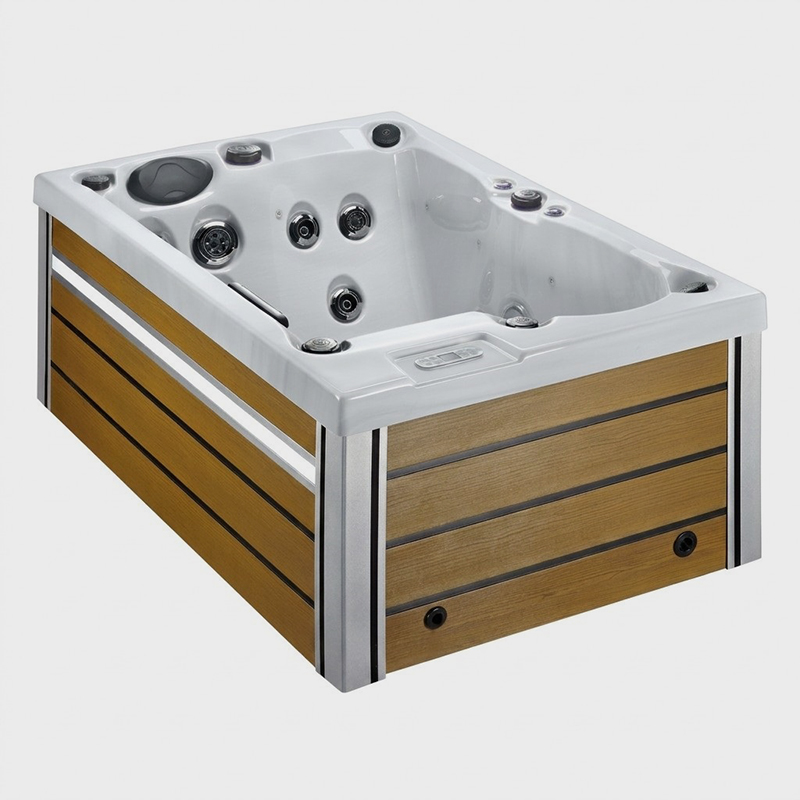
Outdoor Tub Buyer's Guide: Wood-Fired vs. Electric Heating Compared
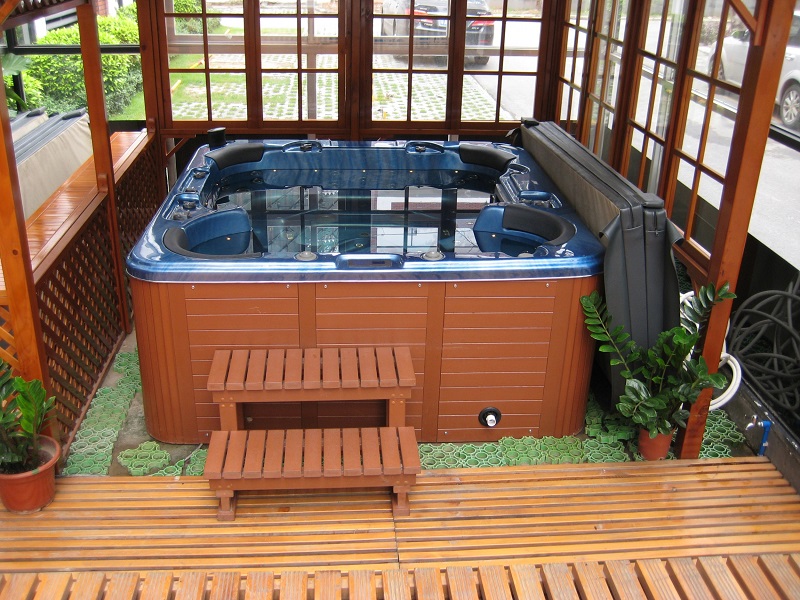
Choosing an outdoor soaking tub is one of the best investments you can make in your home and wellbeing. The promise of slipping into warm water under open skies holds undeniable appeal. Yet before you order a tub, you face a fundamental decision that shapes everything from installation to daily use: how will you heat the water? The two dominant options are wood-fired stoves and electric heating systems. Each has loyal advocates, and each carries distinct advantages and trade-offs that matter more than marketing claims suggest.
This guide breaks down the practical differences between wood-fired and electric outdoor tubs. We will look at how each system works, what it costs to install and run, how much effort it demands, and what kind of experience it creates. By the end, you will know which heating method fits your lifestyle, budget, and property.
How Wood-Fired Outdoor Tubs Work
A wood-fired outdoor tub uses a submersible or external stove to heat water directly. In the most common design, a stainless steel stove sits inside the tub, submerged below the waterline. You feed firewood into a stove pipe that extends above the surface, light the fire, and wait for the water to warm. Some models use an external heater connected to the tub by hoses, where water circulates through a heated coil and returns to the basin.
The heating process is entirely off-grid. No electrical connection, no circuit breakers, and no energy bills. A single load of hardwood can raise several hundred gallons of cold water to soaking temperature in two to four hours, depending on ambient temperature, wind, and the efficiency of the stove design. Once the water reaches your desired temperature, you control the heat by adjusting the damper or adding smaller pieces of wood to maintain a steady burn.
Because the heat source is integral to the tub, wood-fired models tend to have a simpler mechanical profile. There are no pumps, no electronic controllers, and few parts that can fail. This simplicity is one of the biggest attractions for buyers who want reliability without complexity. If you can build a campfire, you can operate a wood-fired tub.
How Electric Outdoor Tubs Work
Electric outdoor tubs rely on a dedicated heating element, usually built into the tub wall or connected through a circulation system. The heater draws power from your home electrical supply, typically requiring a 220-volt or 240-volt dedicated circuit. A thermostat monitors the water temperature and cycles the heating element on and off to maintain your set point.
Most electric systems heat water more slowly than a roaring wood fire. Expect four to eight hours to bring cold water up to soaking temperature, depending on tub volume, heater wattage, and outside air temperature. The trade-off is convenience. Once the water is warm, the thermostat keeps it there with minimal attention. You can set the temperature precisely, step into the tub at a moment's notice, and trust that the water will not overheat or cool unexpectedly.
Some electric tubs include jets, lights, and ozone sanitation systems that also draw power. These features add to the electrical demand and may require larger service panels or additional circuits. If your home already has limited electrical capacity, an outdoor tub installation might necessitate a panel upgrade, which adds cost and complexity.
Heating Time and Daily Use Patterns
The way you plan to use your outdoor tub should heavily influence your heating choice. Wood-fired tubs reward a deliberate, ritualistic approach. You plan your soak a few hours ahead, gather and split firewood, light the stove, and tend the fire until the water is ready. For many owners, this ritual is part of the pleasure. The anticipation, the scent of burning wood, and the visible effort involved make the soak feel earned.
Electric tubs suit spontaneous use. If you want the option of a quick evening soak after work without planning ahead, electric heat is the clear winner. Many owners keep their electric tub at temperature full-time during the colder months, treating it like a outdoor hot tub that is always ready. This convenience comes at a cost in electricity consumption, but for busy schedules it is often worth it.
If you live in a climate with mild winters or intend to use the tub only on weekends, a wood-fired system makes more sense. If you envision nightly soaks from October through March, electric heat will save you hours of fire management over the course of a season.
Installation Requirements and Setup Costs
Wood-fired tubs generally have lower upfront installation costs because they do not require electrical work. You need a level surface capable of supporting the filled weight of the tub, which can exceed two tons for larger models. A gravel pad, concrete slab, or reinforced deck frame all work. You also need a supply of seasoned firewood and a dry place to store it within reasonable distance of the tub.
Ventilation matters with wood-fired systems. The stove pipe releases smoke, and if your tub sits on a covered porch or near windows, that smoke can become a nuisance. Position the tub where the prevailing wind carries smoke away from seating areas and your house. Local regulations in some areas restrict open burning or require permits for outdoor fireplaces, so check municipal codes before you buy.
Electric tubs require a licensed electrician to run a dedicated circuit from your main panel to the tub location. The farther the tub sits from your house, the more trenching, conduit, and wire you need. If your electrical panel lacks spare capacity, a service upgrade can add a thousand dollars or more to the project. On the plus side, electric tubs can sit closer to structures and under partial cover without smoke concerns.
Operating Costs Over a Full Season
Fuel and electricity costs vary widely by region, but some general comparisons hold true. A wood-fired tub burning hardwood might consume one to two bundles of firewood per soak, depending on tub size, starting water temperature, and how long you maintain the heat. If you buy firewood, expect to spend between ten and thirty dollars per soak. If you harvest your own wood, the direct fuel cost drops to near zero, though your labor investment increases substantially.
Electric tubs typically draw between three and six kilowatts while heating, and one to three kilowatts to maintain temperature. At average residential electricity rates, keeping an electric tub at soaking temperature continuously through a cold month can add fifty to a hundred and fifty dollars to your utility bill. Using the tub only on weekends and allowing it to cool between soaks cuts this cost roughly in half.
Over several years, the operating cost difference may narrow or even reverse depending on local wood and electricity prices. In areas with expensive firewood and cheap electricity, electric heating is more economical. In rural areas with free wood and high utility rates, wood-fired heating saves money every season.
Maintenance and Long-Term Upkeep
Wood-fired tubs require more hands-on maintenance. After each soak, you need to remove ashes from the stove and dispose of them safely. Wet ash left in the firebox accelerates corrosion. The stove itself needs periodic inspection for rust, scale buildup, and door seal integrity. Stainless steel stoves resist corrosion better than mild steel, but even quality units will show wear after years of heat cycling.
Water chemistry demands attention regardless of heating method, but wood-fired tubs have an added variable. Ash residue and wood tannins can alter water pH and color. You may need to change the water more frequently than with an electric system, especially if you use the tub often. Draining, scrubbing, and refilling a large outdoor tub is physical work that adds up over a season.
Electric tubs have fewer daily maintenance tasks. No ash to remove, no firewood to stack, and no smoke residue to wipe away. The heater element and circulation pump do require periodic checks, and the thermostat or control board can eventually fail. Replacement parts are usually available, but repairs may require a technician if you are not comfortable working with electrical components.
Environmental Considerations
Both heating methods have environmental footprints, but they differ in character. Wood-fired heating is carbon-neutral in principle, since the carbon released by burning firewood was recently absorbed by the growing tree. In practice, emissions from incomplete combustion include particulate matter and carbon monoxide, which can affect local air quality. Using dry hardwood and an efficient stove design minimizes smoke and maximizes heat output.
Electric heating produces no direct emissions at the point of use, but its environmental impact depends on how your local electricity is generated. In regions powered primarily by coal or natural gas, an electric tub indirectly produces significant carbon emissions. In areas with abundant hydroelectric, wind, or solar power, the environmental case for electric heating is much stronger.
If sustainability is a priority, consider pairing an electric tub with a home solar array. A modest solar setup can offset much or all of the electricity your tub consumes, particularly if you heat primarily during daylight hours when solar production peaks.
Safety Factors Worth Comparing
Any outdoor tub involves risk, and each heating method introduces its own safety profile. Wood-fired stoves get extremely hot during operation. The stove pipe and chimney surfaces can cause serious burns if touched accidentally. Children and pets need clear boundaries around a burning tub, and the area should be free of overhanging branches or combustible materials.
Never leave a burning wood-fired tub unattended. A gust of wind can blow sparks or embers onto nearby surfaces. Always have a bucket of water or a hose within reach, and fully extinguish the fire before draining the tub or going inside for the night.
Electric tubs eliminate open flame and hot surfaces, which reduces some risks. However, they introduce electrical hazards. The combination of water and electricity demands proper grounding, ground fault circuit interrupter protection, and weatherproof wiring. Never attempt to modify or repair an electric heating system while the tub is filled or the power is active. Have a qualified electrician inspect the installation annually.
The Soaking Experience and Atmosphere
Beyond practical comparisons, the emotional experience of each tub type matters. Wood-fired soaking has an ancient, elemental quality. The crackle of the fire, the smell of wood smoke, and the glow of embers reflected on the water create a multisensory atmosphere that electric heat cannot replicate. For homeowners who value rustic authenticity and a connection to traditional practices, wood-fired is the only choice.
Electric tubs offer a cleaner, more controlled experience. There is no smoke, no ash, and no need to tend a fire. You can focus entirely on the water, the jets if equipped, and the surrounding landscape. The aesthetic is modern and minimal, which suits contemporary outdoor spaces with sleek lines and neutral palettes.
Some buyers know immediately which atmosphere appeals to them. Others are genuinely torn. If you are undecided, visit a showroom or rent a vacation property with each type of tub before committing. A single soak in each system will tell you more than any specification sheet.
Making the Right Choice for Your Property
Start by assessing your site. Do you have reliable electrical service near the planned tub location? Is your electrical panel ready for a large dedicated load? If the answer is no and upgrading would be expensive, wood-fired heating makes more sense.
Next, consider your usage pattern. Do you want spontaneous access throughout the week, or do you prefer planned weekend soaks? Electric heat rewards frequent, unplanned use. Wood-fired heat suits occasional, intentional soaks.
Think about your local climate and fuel availability. In cold northern regions with long heating seasons, the convenience of electric heat becomes more valuable. In milder areas or rural properties with free wood, wood-fired heating is practical and economical.
Finally, weigh the aesthetic and experiential factors. Your outdoor tub is not just an appliance. It is a place where you will spend hours relaxing, recovering, and reconnecting with the outdoors. The heating method you choose shapes every one of those hours. Pick the system that matches not only your budget and schedule, but also the feeling you want to create in your backyard.
What to Expect in Your First Season
Regardless of which system you choose, your first season with an outdoor tub will involve a learning curve. With wood-fired heating, you will learn which wood species burn hottest, how to bank a fire for slow heat release, and how long your particular tub takes to reach temperature on a cold evening. With electric heating, you will learn your thermostat's quirks, the most efficient cover routine, and how weather affects your electricity usage.
Track your fuel or power consumption through the first few months. Note how long heating takes in different weather, how often you use the tub, and what maintenance tasks arise. This record helps you optimize your setup and catches problems before they become expensive repairs.
Most importantly, use the tub regularly. An outdoor soaking tub that sits idle is a wasted investment. Whether you light a fire or flip a switch, the health benefits and stress relief of regular hot water immersion are well documented. Make soaking a habit, and the tub will repay your initial investment many times over.