
Appearance
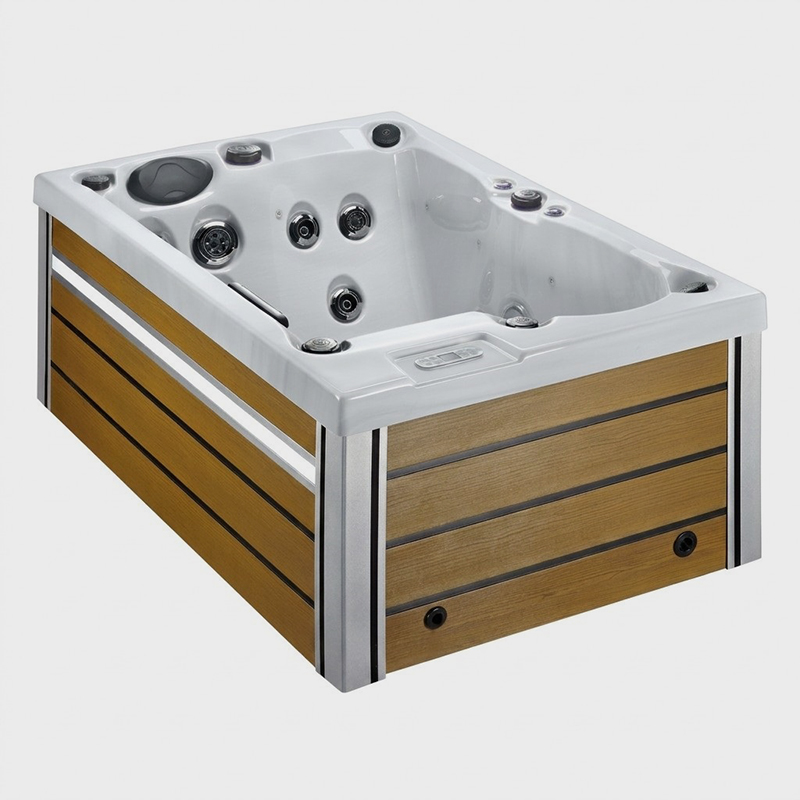
Hot Tub and Swim Spa Buying Mistakes: 10 Costly Errors to Avoid
Buying a hot tub or swim spa is a long-term home investment that combines structural engineering, dedicated high-voltage wiring, and routine water care. Most first-time buyers focus on shell colors, jet counts, and showroom promotions while overlooking the site preparation and ownership details that shape daily comfort and operating costs.
Whether you want a compact hydrotherapy spa for post-workout recovery or an all-season swim spa for low-impact lap training, avoiding a handful of predictable errors can save thousands of dollars in retrofits and utility bills. Below are the 10 most common hot tub and swim spa buying mistakes and how to prevent each one before placing an order.
Site Preparation and Structural Errors
Successful spa ownership begins long before delivery day, because water weight, electrical codes, and yard clearances determine what models your property can safely support.
1. Underestimating Filled Weight and Pad Strength
A filled hot tub or swim spa exerts immense concentrated weight that standard residential decks and uncompacted patios cannot safely hold. An empty four-to-six-person hot tub weighs roughly 600 to 900 pounds, holds 300 to 450 gallons of water at 8.34 pounds per gallon, and reaches 4,000 to 5,500 pounds once four adults step inside. That creates a live structural load of 100 to 125 pounds per square foot, whereas standard wood decks are typically built to support only 40 to 50 pounds per square foot.
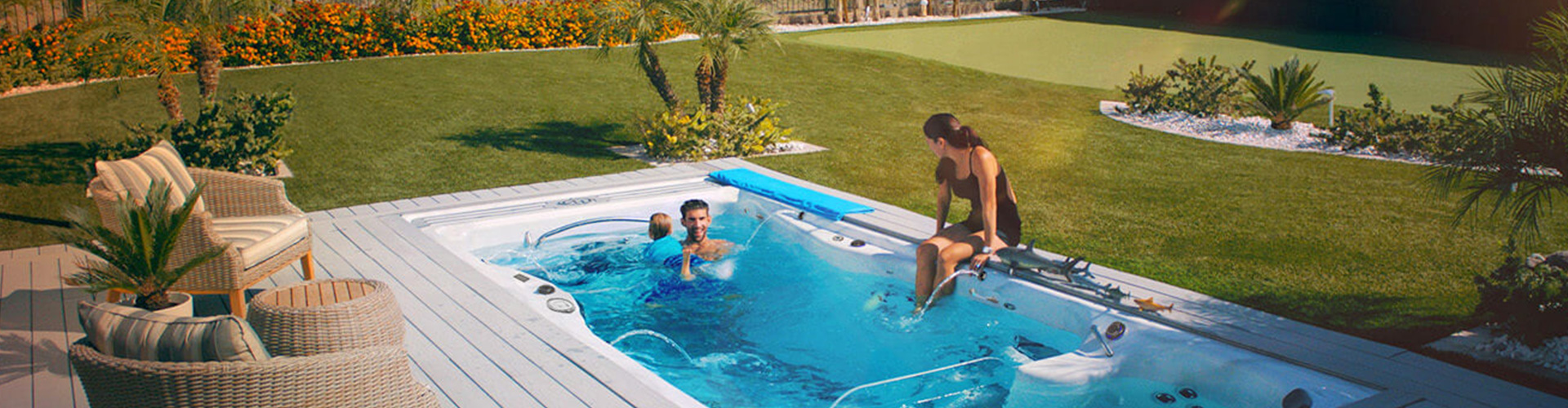
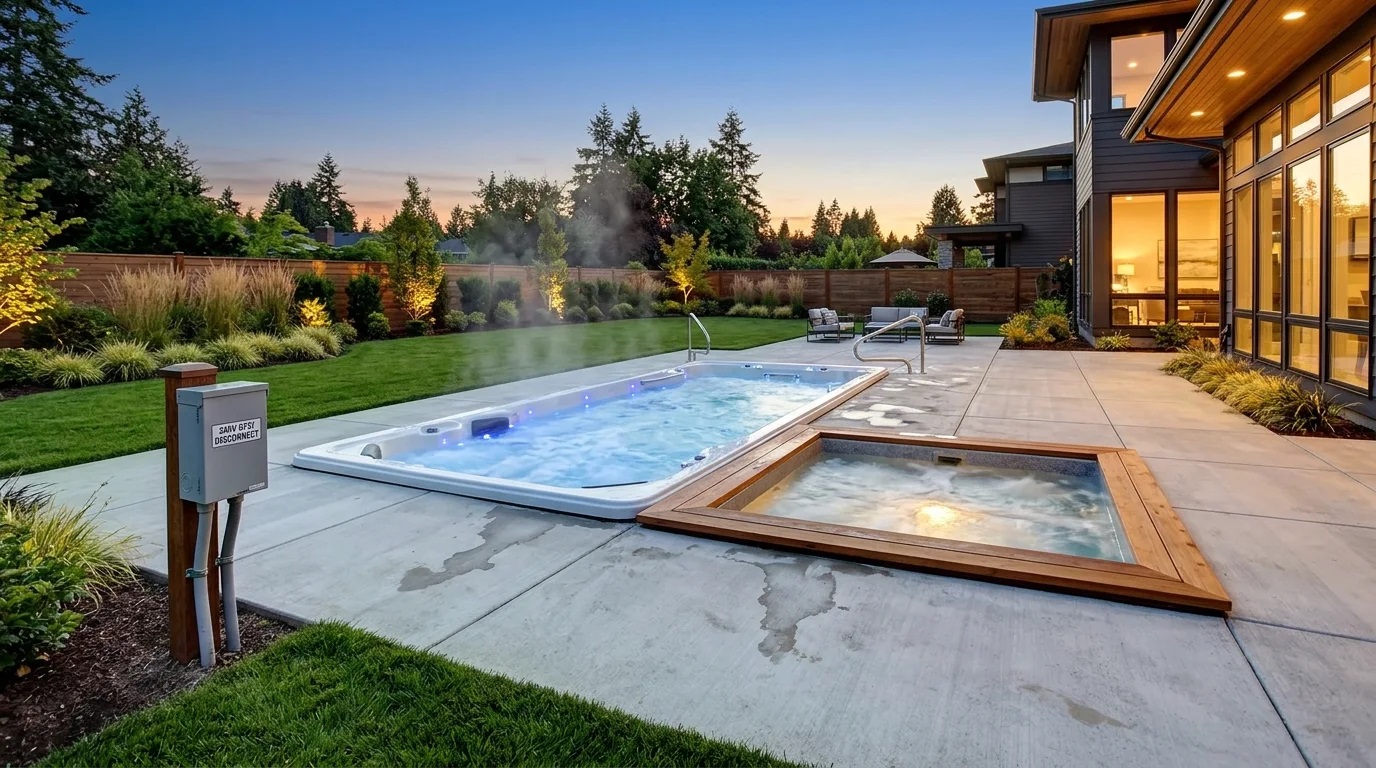
Swim spas present an even larger engineering requirement. Measuring 12 to 19 feet long and holding 1,200 to 2,500 gallons of water, a swim spa regularly reaches a filled operating weight between 12,000 and 24,000 pounds. Always pour a level, steel-reinforced concrete slab at least 4 inches thick for hot tubs and at least 6 inches thick over compacted gravel for swim spas, or hire a licensed structural engineer before placing any spa on an elevated deck.
2. Overlooking 240V Electrical Requirements
Choosing a spa without pricing the electrical run often leads to unexpected contractor bills after delivery. While entry-level plug-and-play hot tubs operate on standard 110-volt or 120-volt 15-amp household outlets, those models lack the power to run the heater at full capacity while the main jet pumps operate on high speed. In colder weather, water temperature drops noticeably during longer soaking sessions.
Most full-sized hot tubs require a dedicated 240-volt, 50-amp GFCI-protected circuit wired directly to an outdoor subpanel. Swim spas typically demand a 240-volt, 50-amp or 60-amp circuit, and dual-zone swim spas with separate swim and spa reservoirs often require two independent 240-volt circuits. Under National Electrical Code Article 680, your licensed electrician must also mount the GFCI disconnect box at least 5 feet away from the water's edge within clear line of sight.
3. Ignoring Delivery Access and Crane Clearances
Measuring your patio footprint is not enough if the delivery crew cannot physically move the spa from the street to the pad. Standard hot tubs measure 32 to 38 inches tall and 78 to 92 inches wide, while swim spas stand 48 to 60 inches tall and stretch up to 19 feet long. Because acrylic spas are transported on their sides on specialized dollies, narrow side gates, low roof eaves, protruding gas meters, sharp turns, and steep slopes frequently block standard ground delivery.
Walk the entire delivery path with a tape measure before buying. Check overhead tree branches, power lines, fence widths, and ground firmness. If access is tight, budget $800 to $2,500 or more for a flatbed crane lift, and confirm whether your dealer coordinates crane scheduling and street permits.
Performance, Sizing, and Ergonomic Oversights
A spa that looks impressive on a dry showroom floor can feel cramped, noisy, or underpowered once filled with warm water and active swimmers.
4. Skipping a Private Wet Test Before Buying
Water buoyancy lifts roughly 80 to 90 percent of your body weight, completely changing how molded seats, headrests, and footwells support you. A lounge seat that feels ergonomic in street clothes may cause shorter or lighter bathers to float upward out of position as soon as the therapy pumps turn on.
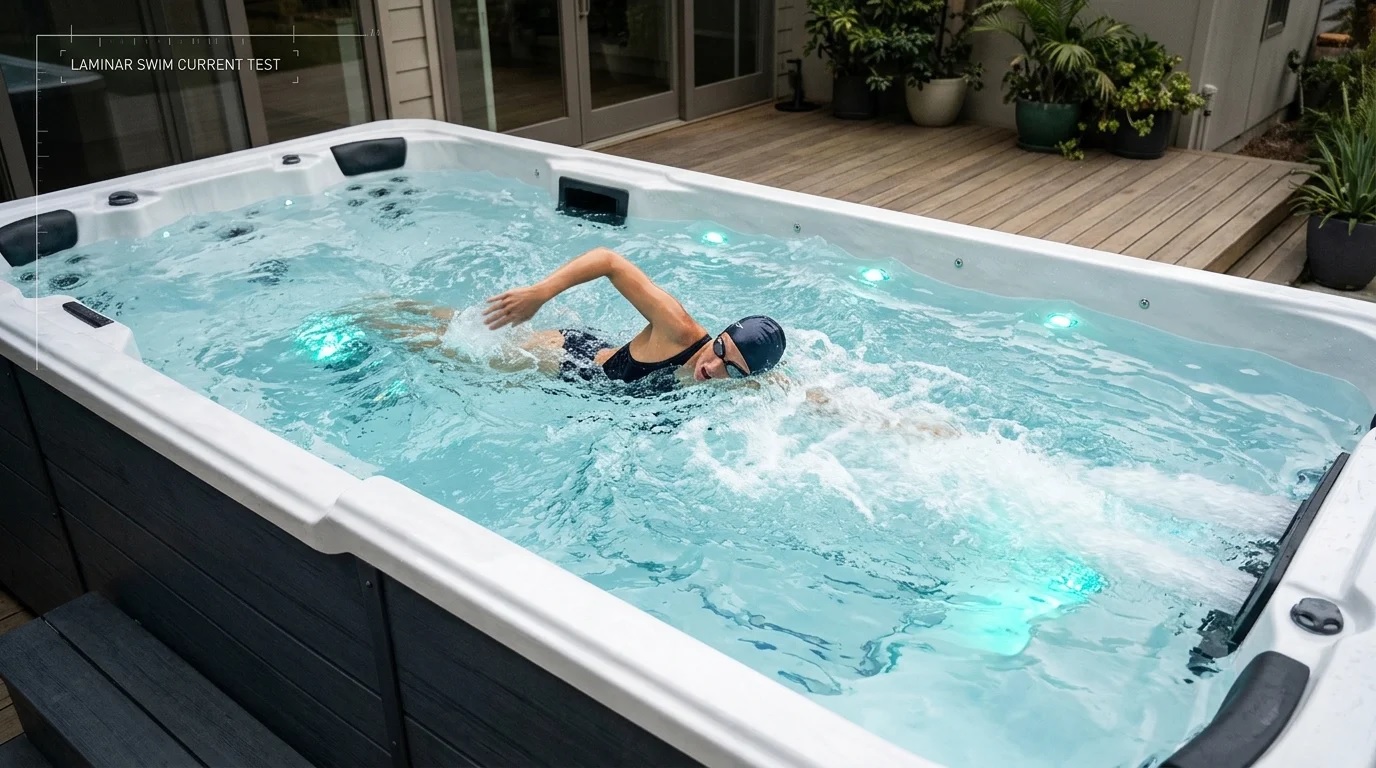
Schedule a private 20-to-30-minute wet test at the dealership wearing your swimsuit. Sit in every seat position, verify that neck and shoulder jets hit the right muscle groups without splashing water over the rim, and listen to pump noise with the cover off. If you are shopping for a swim spa, swim against the current for several minutes to verify that the water stream feels smooth, wide, and centered rather than turbulent or narrow.
5. Chasing High Jet Counts Over Pump Engineering
Advertisements boasting 80 to 120 jets often distract buyers from the hydraulic engineering that actually powers a relaxing massage. Plumbing dozens of tiny nozzles onto undersized pumps divides available water volume and produces weak, prickly pressure on the skin. True hydrotherapy depends on pump brake horsepower, smooth large-diameter plumbing manifolds, well-placed diverter valves, and targeted therapy zones.
When evaluating swim spas, pay close attention to the propulsion system rather than seat jet totals. Serious lap swimmers benefit from wide-stream laminar propulsion jets or dedicated propeller and paddlewheel systems engineered to create an even, adjustable current without excessive air bubbles or chest turbulence.
6. Choosing the Wrong Size or Zone Layout
Buying an oversized eight-person spa for occasional holiday gatherings forces you to heat and sanitize hundreds of extra gallons every single day of the year. Match your shell size to your household's weekly routine rather than rare parties, ensuring comfortable legroom in the footwell so knees do not collide during shared soaks.
For swim spa buyers, single-zone versus dual-zone design is an equally critical choice. A single-zone swim spa keeps the entire body of water at one temperature, forcing you to compromise between cool 80°F to 84°F lap swimming and warm 100°F to 104°F hydrotherapy soaking. If different family members want both functions on the same day, a dual-zone model with an insulated acrylic divider wall and two independent heaters solves that conflict cleanly.
Operating Costs, Maintenance, and Safety Pitfalls
The sticker price represents only part of spa ownership; monthly electricity usage, water balancing, safety compliance, and local warranty service determine your experience over the next decade.
7. Ignoring Insulation Quality and Cover R-Value
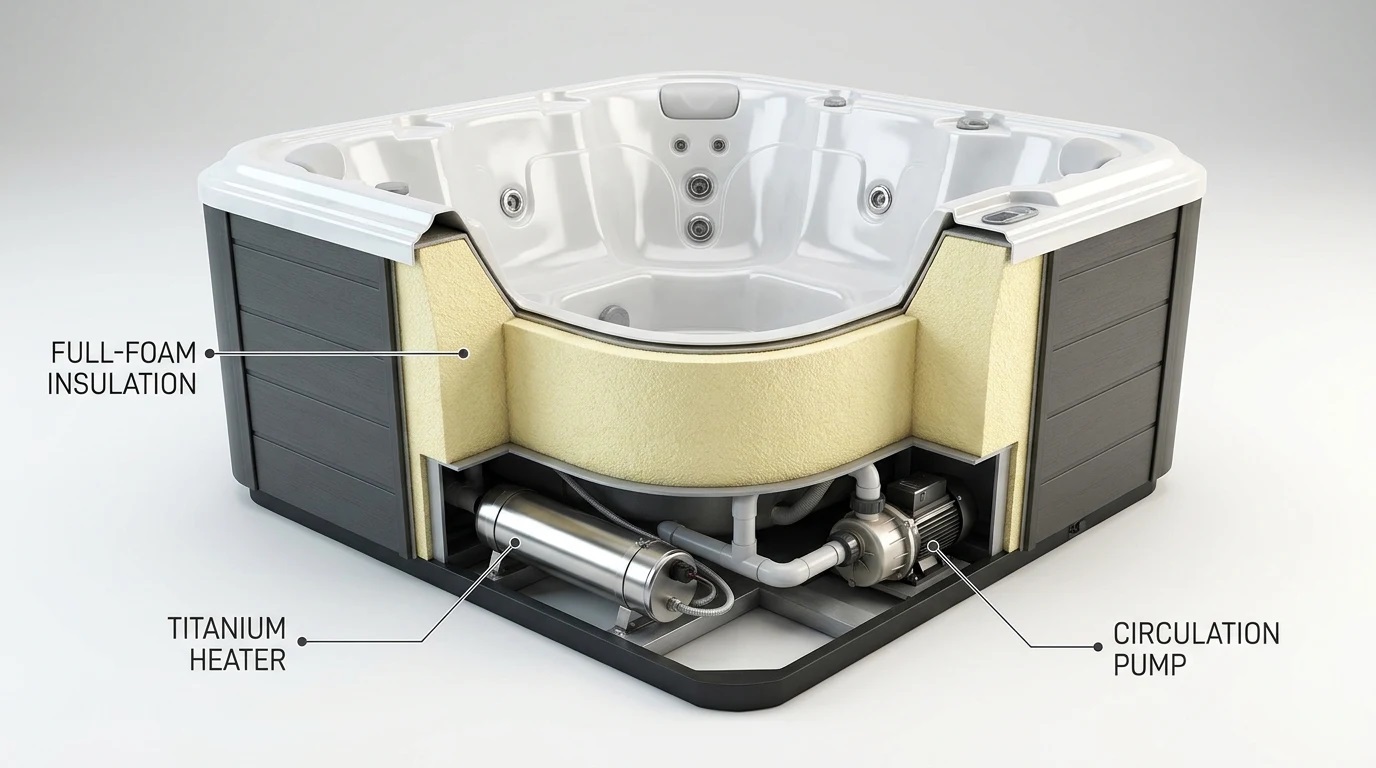
Heating several hundred or several thousand gallons of water outdoors accounts for the majority of ongoing operating costs, particularly in northern climates. Budget spas built with hollow cabinets and thin perimeter foam lose heat rapidly through the base pan and side panels, forcing the heater to cycle continuously during winter months.
Prioritize spas built with high-density full-foam insulation or multi-layer thermal barrier systems paired with a sealed, moisture-resistant base pan. Just as important is the thermal cover, since heat rises directly off the water surface. Look for a tapered marine-grade cover at least 4 to 5 inches thick at the center with high-density foam cores, vapor-barrier wrapping, and a continuous insulated hinge seal.
8. Underestimating Water Chemistry and Filter Care
Warm, aerated water multiplies bacteria and scale rapidly when sanitizer and pH levels drift out of range. Even spas equipped with saltwater chlorine generators, ozone injectors, or UV-C sanitizers still require weekly testing and chemical balancing.
Keep pH between 7.2 and 7.8, total alkalinity between 80 and 120 parts per million, and calcium hardness between 150 and 250 parts per million. Unbalanced water corrodes titanium heater elements, dries out rubber pump seals, and voids equipment warranties. Plan to rinse pleated filter cartridges with a garden hose every two weeks, deep-clean them with filter soak quarterly, and drain and refill a hot tub every three to four months.
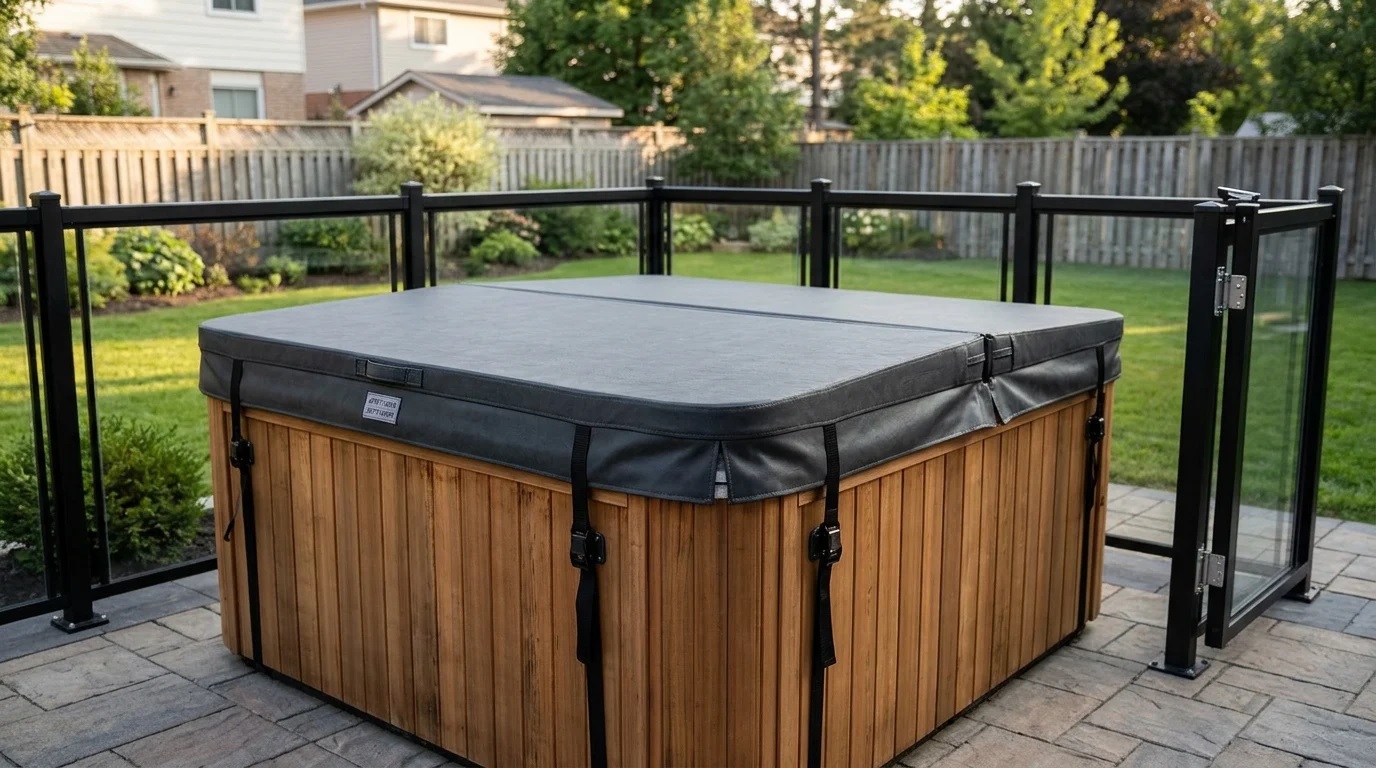
9. Overlooking Safety Barriers and Cover Codes
Local building departments and homeowners insurance carriers enforce strict drowning-prevention rules for residential hot tubs and swim spas. Depending on your municipality, code compliance requires either a perimeter fence at least 48 inches high with self-closing, self-latching gates or an ASTM F1346-91 certified lockable safety cover capable of supporting specified static weight loads.
Verify property line setbacks, easement restrictions, and HOA guidelines before pouring concrete. Installing a spa too close to a fence line or without approved safety latches can delay final electrical inspection or result in compliance fines.
10. Buying Without Local Dealer Service Support
Ordering an unbranded spa online or at a weekend traveling expo often leaves buyers stranded when a sensor, topside control panel, or circulation pump eventually needs service. Many factory warranties cover replacement parts while excluding technician travel and labor, and independent repair companies rarely stock proprietary circuit boards for off-brand imports.
Purchase from an established local dealer that maintains an in-house service fleet, stocks common replacement parts, and provides clear written terms covering both parts and labor. Reliable local support turns a minor mid-winter component failure into a quick single-visit repair rather than a frozen plumbing emergency.
Frequently Asked Questions About Buying Spas
How much does monthly spa electricity cost?
Depending on local kilowatt-hour rates, outdoor winter temperatures, and cabinet insulation quality, a well-insulated 240-volt hot tub typically adds $25 to $55 per month to a household electric bill. A larger swim spa generally averages $50 to $110 per month, with dual-zone models sitting toward the upper end when the spa side is kept at 102°F year-round.
Do hot tubs and swim spas require permits?
Most cities and counties require an electrical permit and inspection for installing a new 240-volt GFCI circuit. Swim spas and larger outdoor spas frequently require an additional zoning or barrier permit to confirm concrete pad setbacks and safety fencing before filling.
How long do quality hot tubs and swim spas last?
With balanced water chemistry, regular filter maintenance, and replacement of the insulated cover every five to seven years, a well-built acrylic hot tub or swim spa reliably lasts 15 to 20 years. Investing in a sturdy composite or pressure-treated frame, reputable pump brands, and local dealer support pays dividends across the entire lifespan of the unit.