
Appearance
Outdoor Bathtub Cost in 2026: Prices, Installation and What to Budget
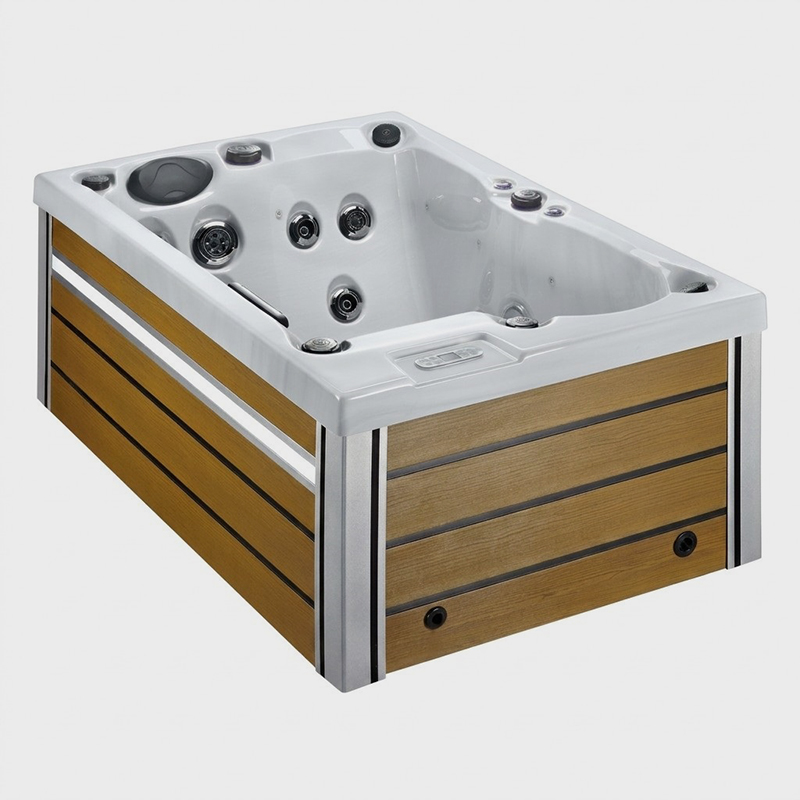
A finished outdoor bathtub setup in 2026 typically lands between four thousand and fifteen thousand dollars installed, and the tub itself accounts for somewhere between eight hundred and eight thousand of that. The spread is wide because an outdoor tub is rarely just a tub. Water has to reach it, hot water has to be plentiful enough to fill it, the deck or ground under it has to carry roughly a thousand pounds of water and bather, and the water has to go somewhere legal when you pull the plug.
That last part surprises people most. An outdoor bathtub is a plumbing project, a structural project, and often a permitting project wearing the costume of a nice soak.
What Most People Actually Spend
Breaking budgets into three rough tiers makes planning easier.
A basic setup runs around three thousand to six thousand dollars: an acrylic or rotomolded soaking tub, hooked to an existing outdoor spigot or a short new supply line, sitting on a deck or patio that already has the strength to hold it, with minimal screening. It is the version most DIY-capable owners end up with.
A mid-range setup runs around eight thousand to fifteen thousand dollars. That usually means a stone resin, teak, or cast iron tub, dedicated hot and cold lines from the house, a reinforced deck section or a new concrete pad, a tankless heater or an upgraded water heater, and a privacy screen or planted enclosure.
A high-end setup starts around twenty thousand dollars and climbs past forty thousand: copper or custom concrete tubs, built-in deck surrounds, a pergola or cabana, instant hot water sized for fast fills, filtration so the water can stay in place, lighting, drainage engineering, and professional landscaping.
The Tub Itself: Material Sets the Floor
The vessel is where most of the price variation starts, and material drives both cost and long-term upkeep.
Acrylic and fiberglass freestanding tubs run roughly eight hundred to three thousand dollars. They are light, which matters on a deck, and easy to move. Their weakness is ultraviolet exposure: cheap acrylic chalks and fades in sun, so a covered spot or a fitted cover pays for itself.
Rotomolded and stone composite tubs sit around fifteen hundred to four thousand dollars. They take weather better than basic acrylic and hold heat reasonably well.
Solid surface and stone resin tubs run about three thousand to seven thousand dollars. They hold temperature beautifully and they are heavy, often several hundred pounds empty, which pushes structural work into the budget.
Teak and other hardwood tubs, often built in the Japanese Ofuro style, run twenty-five hundred to six thousand dollars. They are comfortable against the skin and want oiling once or twice a year. Skip that and the wood greys and eventually checks.
Cast iron costs eighteen hundred to five thousand dollars, holds heat better than almost anything, and needs serious structural support. Enamel is durable outdoors but chips if something heavy drops on it.
Copper and stainless range from five thousand to twelve thousand dollars. Copper develops a living patina and conducts heat quickly, which suits anyone who wants the tub to be the focal point of the garden.
Wood-fired tubs with an integrated stove, and cedar barrel tubs, sit at roughly three thousand to twelve thousand dollars. They heat without touching your water heater, which is appealing off-grid, but they need fuel, ash cleanup, and closer attention to water quality.
Getting Water To It, and Away From It
Plumbing is the line item that quietly doubles budgets. Running hot and cold supply lines to a spot thirty feet from the house might cost eight hundred to three thousand dollars, depending on whether the run goes through a crawlspace or needs trenching across a yard. Trenching adds real money where concrete, tree roots, or irrigation lines get in the way.
The cheapest legitimate option is a frost-free sillcock and a hose connection, often under three hundred dollars if the spigot already exists. It works, filling is slow, and most people tire of it within a season.
Drainage is the part that gets skipped and then regretted. A hundred gallons of used bathwater cannot simply pour onto a slope in many municipalities, because gray water rules apply. A dry well, a French drain, or a tie-in to the sanitary sewer typically costs five hundred to twenty-five hundred dollars, and local code decides which one you are allowed to build. Check before you buy the tub, not after.
Backflow prevention is required in most jurisdictions, and a GFCI-protected outlet is needed if a pump, heater, or filter is involved. Budget two hundred to six hundred dollars for that electrical piece.
Heating Enough Water to Fill It
A standard fifty-gallon water heater will not fill a ninety-gallon soaking tub with hot water. Homeowners discover this the disappointing way, standing outdoors while the recovery cycle catches up.
A gas tankless unit sized for a fast fill typically costs fifteen hundred to forty-five hundred dollars installed, plus any gas line upsizing. A heat pump water heater runs about two thousand to five thousand dollars and costs less to operate, though it recovers slowly. Point-of-use electric heaters are cheap to buy and frustrating in practice. Once the tub is full, a soak usually costs one to three dollars in energy, but the delivery hardware is a real capital expense.
What It Stands On
Water weighs about eight and a third pounds per gallon. A ninety-gallon tub plus a bather pushes past eight hundred pounds, and bigger soaking tubs exceed a thousand. Decks built to residential code are not designed for that load concentrated in one spot.
Reinforcing a deck section runs fifteen hundred to six thousand dollars. A new concrete pad costs roughly twelve hundred to thirty-five hundred, and a paver or stone patio runs twenty-five hundred to eight thousand depending on size and base preparation. Having a contractor look at the framing before the tub arrives is the cheapest insurance in the project.
The Extras People Forget
Privacy is rarely optional and rarely cheap. A simple screen or fence panel runs twelve hundred to six thousand dollars, while a pergola or small cabana ranges from three thousand to twelve thousand. A planted screen costs less and takes years to fill in.
A fitted cover runs one hundred fifty to six hundred dollars and does triple duty: it keeps out leaves and insects, slows heat loss, and protects the finish from sun. In freezing climates, winterization, meaning full drainage and antifreeze in the trap, costs three hundred to fifteen hundred dollars a year if professionally done. Permits typically run one hundred fifty to eight hundred dollars, and homeowners associations may require design approval before installation. Leaving water in the tub between uses adds two hundred to eight hundred dollars a year in sanitation, filter changes, and test strips.
Labor and Yearly Running Costs
Plumbers commonly bill eighty to one hundred fifty dollars an hour, and a straightforward hookup is a one to three day job once materials are on site. Projects involving trenching, gas lines, structural reinforcement, or custom carpentry stretch to a week or two and pull in several trades. Labor commonly represents a third to half of the total spend.
Afterwards, expect roughly two hundred fifty to nine hundred dollars a year to keep the tub in service. That covers water for fills, energy, cleaning supplies, plumbing checks, and a replacement cover every three to five years. Leaving water in place roughly doubles the chemical and testing portion.
Where to Save, and Where Not To
Savable: choose acrylic over stone resin, keep the tub close to existing plumbing, use a hose hookup for the first season, build the privacy screen yourself, and shop late in the year when outdoor living stock gets discounted.
Not savable: structural support, proper drainage, freeze protection, and backflow prevention. Skipping these produces leaks, cracked decks, and code violations.
Does It Add Value?
An outdoor bathtub is a lifestyle feature. It photographs beautifully and appeals to buyers who want an outdoor living space, but appraisers rarely assign it a line item. Most owners recover a modest share at resale and get the real return in daily use. If the goal is purely resale numbers, a well-built deck or patio is the safer investment.
Frequently Asked Questions
How much does an outdoor bathtub cost installed? Most installed projects fall between four thousand and fifteen thousand dollars, with the tub itself between eight hundred and eight thousand and the remainder going to plumbing, heating, structure, and screening.
Can I use a regular indoor bathtub outside? Many acrylic and cast iron tubs tolerate it, but indoor finishes are not rated for ultraviolet exposure and freezing. Expect faster fading, and drain the tub completely before the first hard freeze.
Does an outdoor bathtub need plumbing? It needs a water source and a legal drain. A hose connection satisfies the first requirement at minimal cost, while drainage almost always needs planning and often a permit.
Do I need a permit for an outdoor bathtub? Plumbing permits are commonly required for new supply and drain lines, and some areas treat the tub as a fixture subject to inspection. Rules on gray water discharge vary widely, so start with your building department.
What is the cheapest way to get an outdoor soaking tub? Buy a mid-grade acrylic tub, place it near an existing spigot on a structurally sound patio, heat water with what you already own, and add a simple privacy screen. That combination can come together for roughly three thousand dollars.
How long does an outdoor bathtub last? Quality acrylic, stone resin, copper, and cast iron tubs can last fifteen to twenty-five years outdoors with a cover and basic care. Wood tubs need regular oiling to reach the upper end of that range, and cheap plastic shells may crack within five years of sun exposure.
Pulling the Numbers Together
Budget in layers rather than looking for one price. Pick the tub you want, then price the water, the heat, the structure beneath it, and the privacy around it, because those four items decide where you land inside the range. Have a plumber, and a carpenter if the tub sits on a deck, look at the site before you order anything. A tub that is properly plumbed, properly supported, and covered when idle will still be a pleasure a decade from now.