
Outdoor Bathtubs: Ideas for a Private Backyard Spa
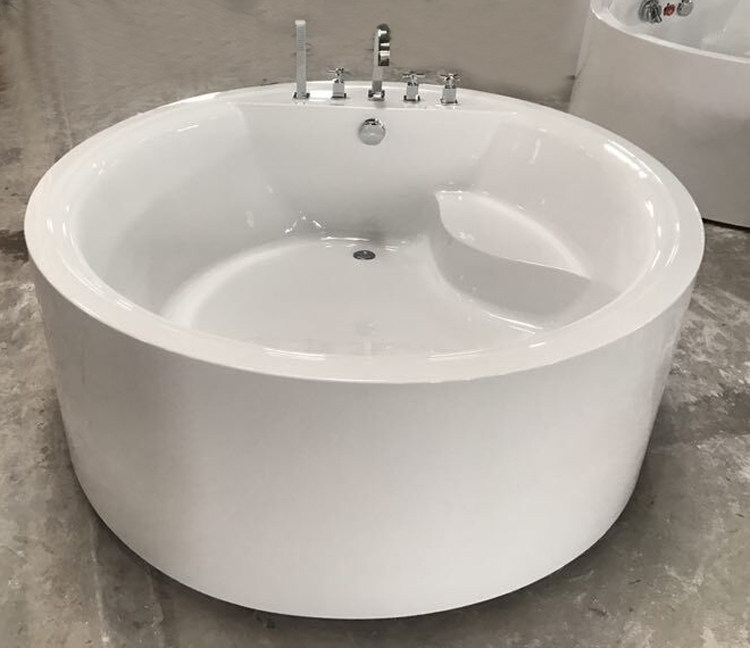
An outdoor bathtub changes the way a backyard gets used. Most yards are designed for looking at: a lawn to mow, a patio to grill on, a garden to admire from the kitchen window. Adding a bathtub shifts the purpose from observation to immersion. The space becomes a place to stop, to soak, and to experience the weather, the sounds, and the light in a way that is impossible from behind glass. Building a private spa in a backyard is less about installing a fixture and more about creating a setting where the bath feels like a natural extension of the landscape.
The idea carries different weight depending on climate and culture. In Japan, the ofuro has long been an outdoor or semi-outdoor ritual, often positioned to frame a garden view. In Scandinavia, wood-fired hot tubs are a fixture of rural life, used year-round and especially prized in winter when the contrast between freezing air and steaming water is at its most dramatic. In warmer parts of the United States and Australia, outdoor soaking has become a feature of high-end residential design, driven by a desire for wellness-oriented spaces that blur the boundary between interior comfort and exterior experience.
What unites these traditions is the principle that bathing outdoors is not a compromise. It is an enhancement. The right setup delivers privacy, temperature control, and aesthetic coherence, and the result is a space that feels secluded without being isolated, luxurious without being pretentious.
Choosing the Right Tub Type
The starting point for any backyard spa is the vessel itself. The options fall into several categories, each with distinct characteristics in terms of weight, heat retention, maintenance, and visual impact.
Freestanding acrylic or resin tubs are the lightest and most adaptable. They can be placed on a deck, a concrete pad, or a reinforced platform without the structural demands of heavier materials. Modern designs range from sleek contemporary shapes to clawfoot reproductions, and the surface is warm to the touch, smooth, and easy to clean. The downside is that acrylic does not hold heat as well as denser materials, so long soaks may require a recirculating heater or frequent top-ups with hot water.
Cast iron tubs, often enameled in white or bold colors, bring a sense of permanence and classic style. They are heavy, sometimes exceeding three hundred pounds, which means the supporting structure must be engineered accordingly. Once filled, the total load can approach a thousand pounds or more. The reward is exceptional heat retention. A cast iron tub filled with hot water will stay warm for an hour or longer without additional heating, making it ideal for slow, unhurried soaking.
Stone or concrete tubs, carved or cast from natural materials, are the most dramatic option. Each piece is unique, with veining, texture, and color variations that make it a sculptural element in the garden. The weight is substantial, often requiring a crane for placement and a reinforced foundation. Stone is porous unless sealed, and it requires periodic maintenance to prevent staining. The thermal mass is significant, which means the tub takes longer to heat up but holds temperature steadily once warm.
Wood-fired cedar or redwood hot tubs represent a different tradition. These are typically round or oval, built from staves like a wine barrel, and heated by a submerged or external wood-burning stove. They require no electricity, which makes them suitable for off-grid properties or remote garden locations. The aroma of cedar in steam is part of the experience. Maintenance involves draining, scrubbing, and occasional sanding or sealing of the wood. Water chemistry is managed manually rather than with automated systems.
Stock tank pools and converted agricultural tanks have emerged as a budget-friendly and stylistically raw option. Galvanized steel or polyethylene tanks, originally designed for livestock, are repurposed as plunge pools or soaking tubs. They are inexpensive, durable, and available in a range of sizes. The aesthetic is utilitarian and rustic, which suits certain garden styles but clashes with more refined landscapes. Insulation and heating must be added separately if the tub is to be used in cool weather.
Positioning for Privacy and View
Privacy is the non-negotiable element of an outdoor bath. Without it, the experience collapses into self-consciousness. The goal is not total enclosure, which can feel claustrophobic, but selective screening that blocks sightlines from neighboring windows, paths, and upper floors while preserving a sense of openness to the sky and the garden.
Natural screening using dense planting is the most visually integrated approach. Bamboo, ornamental grasses, evergreen shrubs, and small trees can be arranged to form a living wall that matures over a few seasons. The advantage is that the screen becomes part of the garden rather than an obvious fence. The disadvantage is the time required for growth, and the ongoing maintenance of pruning and shaping.
Hardscaping solutions include masonry walls, timber screens, and pergolas with draped fabric. A low stone wall provides seating as well as screening and anchors the tub visually. Slatted timber panels allow air movement and filtered light while blocking direct views. Pergolas overhead can support climbing vines that will eventually form a green canopy, or they can be fitted with retractable shade sails for adjustable coverage.
The orientation of the tub matters. Positioning it to face a garden view rather than a house wall transforms the soak into a contemplative experience. A tub placed to catch morning light offers a different mood than one oriented toward sunset. In cooler climates, a position that receives afternoon sun extends the usable season by warming the surrounding deck or stone.
Water Heating and Circulation
An outdoor bathtub without reliable hot water is a seasonal novelty at best. The heating system determines how often the tub gets used and how comfortable the experience is.
Electric tankless heaters are the simplest option for tubs with plumbing connections. They heat water on demand, require no storage tank, and can be sized to the flow rate of the tub filler. The limitation is electrical capacity. A large tub may require a dedicated high-amperage circuit, and operating costs can be significant if the tub is used frequently.
Propane or natural gas heaters offer faster heating and lower operating costs per gallon heated. They require venting and must be installed with proper clearances from combustible materials. For permanent installations, a gas heater integrated into the tub's circulation system provides consistent temperature control.
Wood-fired systems, as mentioned, are self-sufficient and atmospheric. The firebox is typically stainless steel and mounted externally or submerged in the water. Heating time depends on the fire size, the water volume, and the ambient temperature, ranging from one to three hours. The ritual of building and tending the fire is part of the appeal for some users and a chore for others.
Solar thermal systems can preheat water or maintain temperature during the day. A roof-mounted collector or a ground-level evacuated tube array feeds a storage tank or directly circulates through the tub. The effectiveness depends on solar exposure and climate, and a backup heater is usually necessary for consistent use.
For hot tubs and plunge pools, circulation and filtration are essential. A small pump moves water through a filter and heater, maintaining clarity and temperature. Ozone or UV sanitizers reduce chemical use. In an outdoor setting, debris from trees and wind makes a robust skimmer and filter system particularly important.
Surroundings and Decking
The area around the tub is as important as the tub itself. A muddy patch of lawn or a bare concrete slab undermines the spa experience. The surround should be comfortable underfoot, drain well, and complement the tub material.
Wood decking is the traditional choice, offering warmth and a natural connection to cedar or redwood tubs. It must be rated for ground contact or elevated on a frame to prevent rot. Tropical hardwoods such as ipe or cumaru resist moisture and decay but require periodic oiling. Composite decking eliminates maintenance but can become hot in direct sun.
Stone or porcelain pavers provide a more formal look and excellent durability. They stay cooler than wood in summer and can be laid with permeable joints to manage runoff. The surface should be textured or treated to prevent slipping when wet.
Gravel or crushed stone is an inexpensive and permeable option that suits rustic or naturalistic gardens. It requires a stable base and edging to prevent spreading, and it is less comfortable for bare feet than solid surfaces. A stepping stone path to the tub can solve the comfort issue while preserving the informal aesthetic.
Lighting and Atmosphere
Outdoor bathing after dark requires thoughtful lighting. The goal is illumination that allows safe movement without destroying the sense of being under the night sky.
Subtle path lighting along the route from the house to the tub prevents stumbling without creating a runway effect. Low-voltage LED fixtures recessed into decking or mounted on stakes are unobtrusive and energy-efficient. Warm color temperatures, around 2700 Kelvin, feel more natural and less clinical than cool white.
Underwater or perimeter lighting in the tub itself transforms the water into a glowing element. Color-changing LEDs allow mood adjustment, though many users prefer a fixed warm white. The light should be dimmable, because the same brightness that feels safe at entry can feel harsh once settled in the water.
Candles, lanterns, or a small fire pit nearby add flickering warmth that electric light cannot replicate. The open flame also provides a focal point for the gaze, which helps the bather relax by giving the eyes a soft place to rest.
Seasonal Use and Weather Protection
An outdoor bathtub in a four-season climate requires planning for weather extremes. In summer, shade prevents the water from overheating and the surface from becoming uncomfortably hot. A pergola, umbrella, or planting canopy provides adjustable coverage.
In winter, the challenge is keeping the water from freezing and the bather from exposure. Insulated tub covers reduce heat loss and prevent debris accumulation. Some high-end systems include freeze protection that circulates water automatically when temperatures drop. A nearby changing area, even a simple outdoor shower enclosure with a heater, makes winter use more appealing by reducing the time spent exposed between house and tub.
Wind is often overlooked. A breezy location can make a forty-degree Celsius bath feel chilly at the surface. A partial windbreak, whether planted or built, improves comfort without blocking the view. The ideal location is sheltered but not enclosed, with air movement gentle enough to carry steam away without creating a draft.
Maintenance and Water Quality
Outdoor tubs face environmental loads that indoor tubs do not. Leaves, pollen, insects, and bird droppings enter the water constantly. A cover used between soaks is the single most effective maintenance tool. Skimming before each use and draining periodically for cleaning are necessary routines.
Water chemistry depends on the tub type. Hot tubs require balanced pH, sanitizer, and alkalinity, tested weekly. Soaking tubs that are drained after each use need minimal chemical treatment, though a mild disinfectant helps prevent biofilm between uses. Stone and wood tubs have specific care requirements: stone needs sealing, wood needs sanding and oiling, and both can be damaged by harsh chemicals.
In hard water areas, mineral scale accumulates on fixtures and surfaces. A water softener or periodic descaling with a mild acid cleaner prevents buildup. In soft water areas, metal fixtures may corrode faster, requiring more frequent inspection and replacement.
Integration With the Landscape
The most successful outdoor bathtubs do not look like afterthoughts. They read as part of the garden, positioned where the terrain, vegetation, and sightlines support the experience. A tub placed at the edge of a deck, with planting behind and a view across the yard, feels intentional. A tub dropped onto a flat lawn with no surrounding structure feels temporary.
Consider the approach. A winding path through planting creates anticipation. A direct path from the back door emphasizes convenience. The choice depends on whether the bath is framed as a ritual or a utility. Both are valid, but the landscape should reinforce the intention.
Sound also matters. A small water feature nearby masks traffic noise and creates acoustic privacy. Wind chimes, rustling grasses, or the sound of rain on a pergola roof add sensory texture. The bath becomes a place to listen as much as to look.
Budget Ranges and Priorities
A backyard spa can be built for a few thousand dollars or a few hundred thousand, depending on the tub material, the infrastructure, and the surrounding landscape. The tub itself is often the smallest line item. Excavation, plumbing, electrical, decking, screening, and planting can collectively exceed the cost of the vessel by a wide margin.
For a modest budget, a stock tank or acrylic freestanding tub on a gravel bed with planted screening offers a genuine outdoor soaking experience without major construction. For a larger budget, a stone tub set into a deck with integrated heating, lighting, and a designed landscape delivers a resort-quality retreat.
The priority should be the experience, not the hardware. A simple tub in a beautiful, private setting is more satisfying than an elaborate installation in a exposed or awkward location. Start with privacy and access, add the tub, and build the surroundings over time as budget allows.