
Integrated Bathtubs: Why Hotels and Builders Choose Them
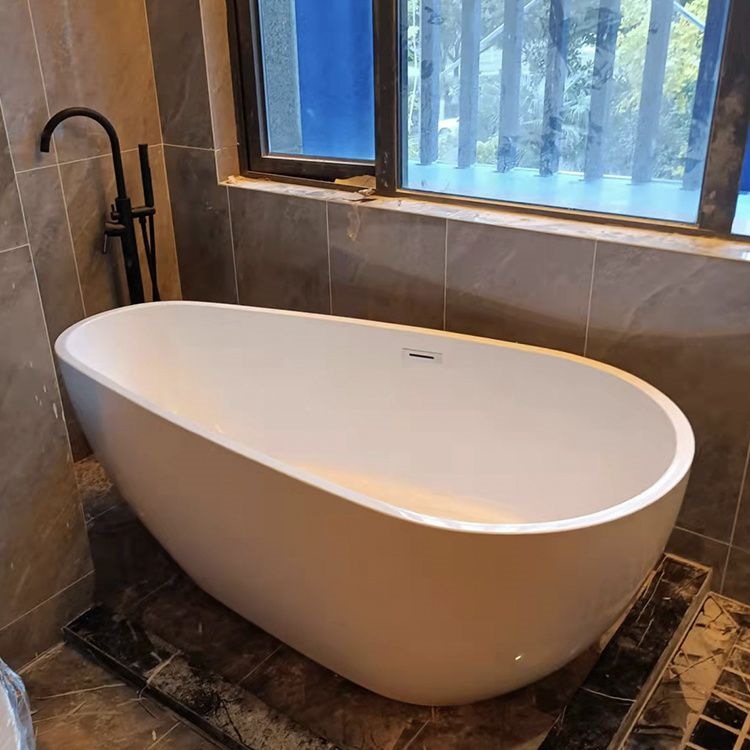
Integrated bathtubs are built as one continuous piece rather than a separate tub dropped into a tiled surround. The basin, apron, walls, and often the deck form a single molded shell, usually acrylic or a composite resin, and that shell drops into place as a unit. For hotels running hundreds of rooms on tight schedules, and for builders managing subcontractors across multiple sites, that single-piece construction changes almost everything about how a bathroom gets finished.
The choice is not about luxury. It is about predictability. A drop-in or alcove tub requires a plumber to set the rough base, a framer to build the surround, a tile setter to finish the walls, a grout crew to seal the joints, and an inspector to verify the waterproofing. An integrated unit needs a plumber to connect the drain and supply lines, and the unit itself provides the rest. The walls are already there. The seams are already sealed at the factory. The finish is already uniform.
What Integrated Bathtubs Actually Are
The term covers several constructions, but the common thread is the unified shell. A one-piece tub-shower combination is the most familiar form: a molded basin with three walls and a ceiling panel, all bonded together. A two-piece version separates the tub from the wall surround but still eliminates the need for site-built tile or panels. A three-wall alcove unit with an integrated skirt and deck is another variant, common in mid-market hotel rooms where the goal is a clean look without the cost of stone or custom tile.
Materials vary. Acrylic is the standard for most hotel-grade units because it is lightweight, repairable, and holds heat reasonably well. Fiberglass-reinforced composites offer more rigidity at a lower price point but can feel hollow underfoot and are harder to repair once cracked. Solid surface composites, which blend mineral filler with resin, sit at the higher end and provide a denser, more stone-like feel. Cast iron and enameled steel are rarely used in integrated construction because their weight makes one-piece molding impractical for anything larger than a basic tub.
The defining feature is not the material. It is the absence of site-built joints between the tub and the walls. Where a traditional installation has caulk lines, grout beds, and multiple material transitions, an integrated unit presents a single surface from the rim to the ceiling.
Why Hotels Prefer Them
Hotels operate on volume and turnover. A 200-room property being renovated needs every bathroom completed on the same schedule, with the same appearance, and with minimal downtime per room. Integrated bathtubs solve several problems at once.
Speed is the first. A crew can remove an old unit and install a new one in a matter of hours, not days. There is no waiting for tile adhesive to cure, no grouting schedule to coordinate, and no return visit to seal joints after the first round of use. The room goes back into service faster, which is the metric that matters most to a revenue-driven property.
Consistency is the second. Every unit from the same mold is identical. The color match is exact. The wall texture is uniform. There are no variations in grout line width or tile lippage from one room to the next. For a brand that promises the same experience in Dallas and Denver, that uniformity has real value.
Maintenance is the third. Caulk lines fail. Grout cracks. Tile chips. Each of those failures generates a work order, and in a hotel with high occupancy, every work order is a room out of service. An integrated unit has fewer failure points. The seams that do exist are factory-bonded and designed to flex as a unit, rather than as separate materials expanding and contracting at different rates.
Cleaning staff also prefer them. A single curved surface with no grout lines traps less soap scum and mildew. A squeegee and standard disinfectant handle most of the work, and there are no porous joints to harbor bacteria or discolor over time. In a post-pandemic environment where visible cleanliness is a marketing point, that matters.
Why Builders Specify Them
Residential builders face different pressures than hotel developers but arrive at a similar conclusion. Labor availability, scheduling coordination, and warranty exposure are the three factors that push a builder toward integrated units.
Labor shortages in the trades have made tile setters harder to schedule and more expensive to retain. A bathroom that requires a plumber, a framer, a tile setter, a grout crew, and a painter is a bathroom with five scheduling dependencies. An integrated unit reduces that to two: the plumber and the installer. On a fifty-unit apartment building, that compression of the critical path can move the entire project forward by weeks.
Warranty exposure is the less visible factor. Builders are typically responsible for defects for a period after handover, and bathroom leaks are among the most expensive claims. A failed grout joint behind a tiled surround can rot framing, damage the unit below, and trigger mold remediation. An integrated unit shifts much of that liability to the manufacturer, whose warranty covers the shell and its factory seals. The builder still needs proper installation, but the number of things that can go wrong on site is reduced.
Cost is more nuanced than it first appears. The unit itself is often more expensive than a basic steel tub and a tile surround. The savings come from labor, schedule compression, and reduced callback risk. On a spreadsheet, the integrated unit frequently wins when all costs are included, and it almost always wins when the builder is working on thin margins and tight deadlines.
Installation Compared to Traditional Methods
A standard alcove tub installation starts with a level subfloor and framed walls. The plumber sets the tub, connects the drain, and roughs in the supply. The framer or drywaller finishes the walls. The tile setter installs backer board, applies tile, grouts, and seals. The painter or finisher touches up edges. Each step depends on the one before it, and weather, material delays, or a no-show subcontractor can stall the whole sequence.
An integrated unit arrives as a single piece or a matched set. The plumber connects the drain and supply. The unit is leveled, shimmed, and fastened to the framing. The finish is already present. If the unit is a one-piece tub-shower, the ceiling panel and wall flanges are part of the same mold, so the only remaining work is sealing the perimeter and installing the trim.
The weight difference matters on site. A cast iron tub can weigh 300 pounds or more, requiring two workers and often a dolly. An acrylic integrated unit weighs a fraction of that and can be carried by one person in many cases. On upper floors of a multi-story building, that difference compounds quickly.
The catch is access. A one-piece tub-shower combination needs a doorway wide enough to pass through, which can be a problem in renovations where the original bathroom door was sized for a separate tub. Some units are designed with a removable wall panel or a split construction specifically to solve this, and builders need to verify rough opening dimensions before ordering.
Durability and Long-Term Performance
The lifespan of an integrated bathtub depends on the material, the quality of the installation, and the intensity of use. A well-installed acrylic unit in a residential setting can last twenty years or more with ordinary care. In a hotel setting, where a single room might see three hundred or more occupancies per year, the wear is accelerated and the replacement cycle is shorter.
Surface damage is the main concern. Acrylic can scratch, and while minor scratches can be buffed out, deep gouges or cracks are harder to repair than a chipped tile. Fiberglass composites are more brittle and prone to stress cracking at the drain or around fixtures. Solid surface materials are the most durable but also the most expensive, and they are less common in the high-volume market.
The structural advantage is the absence of joints. Grout lines in a tiled surround are the weak points: they collect moisture, harbor mildew, and eventually crack or discolor. An integrated unit has none of those vulnerabilities. The surface is continuous, and the waterproofing is built into the mold rather than applied on site.
Design and Aesthetic Range
Early integrated bathtubs looked institutional. White plastic shells with molded soap dishes and no visual warmth. That has changed. Modern units are available in a range of colors, textures, and profiles, and some manufacturers offer stone-look finishes or subtle patterns that read as more expensive than they are.
The design constraints are real. Because the unit is molded, customization is limited. You cannot specify a unique tile layout or a custom niche size without moving to a semi-custom or fully custom product, which defeats the cost and speed advantages. For standard room types, this is not a problem. For boutique properties or high-end custom homes where the bathroom is a design statement, integrated units are rarely the right choice.
Hardware integration has improved. Many units come with factory-installed or pre-drilled fixture locations, which reduces the risk of misaligned holes and speeds the plumber's work. Grab bars, shower rods, and shelving are often molded in or designed for snap-in attachment, which eliminates the need to drill into the surface and compromise the waterproofing.
Water Efficiency and Code Compliance
Integrated bathtubs do not inherently save water, but they are easier to pair with water-efficient fixtures because the rough-in locations are standardized. A builder or hotel engineer can specify low-flow showerheads and aerated tub fillers with confidence that the connections will align, because the manufacturer has already engineered the interface.
Code compliance is simpler as well. Most integrated units are tested and listed to relevant standards for load, drainage, and surface ignition resistance. The documentation is available from the manufacturer, and the inspector's checklist is shorter because there are fewer site-built assemblies to verify. In jurisdictions with strict waterproofing requirements, a factory-sealed unit often satisfies the code with less documentation than a site-tiled surround.
Maintenance and Replacement
When an integrated unit eventually needs replacement, the process is faster than tearing out a tiled surround, but it is not always simpler. A one-piece unit may need to be cut into sections to fit through the bathroom door, and the plumbing connections must be accessible. Some designs include a removable access panel for the drain and trap, which is worth verifying before purchase.
Cleaning is straightforward. Non-abrasive cleaners and soft cloths preserve the finish. Harsh chemicals and scouring pads damage acrylic and composite surfaces, so housekeeping protocols need to specify compatible products. In a hotel setting, that means training staff and auditing supply closets, because a single cleaning crew using the wrong product can dull or scratch dozens of units.
When Integrated Bathtubs Are Not the Right Choice
The limitations are worth stating clearly. Custom designs, historic renovations, and ultra-luxury properties generally need site-built tile or stone surrounds because the visual language of those spaces demands material authenticity and bespoke detailing. A molded unit, however well finished, cannot replicate the depth and variation of hand-laid marble or artisan tile.
Small bathrooms with non-standard dimensions can also be a poor fit. Integrated units are produced in standard sizes, and a room that is even an inch too narrow or too short may require expensive modifications or a switch to a different approach. Measuring accurately before ordering is essential, and builders should not assume that a standard 60-inch unit will fit every 60-inch rough opening.
Finally, some buyers simply prefer the look and feel of traditional materials. A cast iron tub with a porcelain finish has a heft and thermal mass that acrylic cannot match. A tiled surround with natural stone has a visual richness that a molded panel does not. Integrated bathtubs are a practical solution, not a universal one, and specifying them where they do not belong creates dissatisfaction that no cost savings can justify.
Cost Breakdown in Practice
The material cost of an integrated bathtub ranges widely depending on size, material, and features. A basic fiberglass tub-shower unit might cost a few hundred dollars. A solid surface unit with upgraded fixtures and a stone-look finish can run into the thousands. The relevant comparison is not the unit cost alone but the installed cost including labor, schedule impact, and warranty risk.
A traditional tile surround requires the tub, the tile, the backer board, the adhesive, the grout, the sealant, and the labor of at least three trades. On a per-bathroom basis, that assembly often costs more than a mid-range integrated unit when all factors are included. The gap widens on multi-unit projects where labor coordination and schedule compression multiply the savings.
For a hotel developer, the math is even clearer. A faster fit-out means earlier opening. Earlier opening means earlier revenue. The premium paid for an integrated unit, if any, is recovered in occupancy days.
What to Verify Before Specifying
Check the material thickness and reinforcement. Thin acrylic can flex and feel cheap. Ask about the warranty terms, particularly whether coverage includes surface finish, structural integrity, and factory seals. Verify that the unit is listed to the relevant standards for your jurisdiction. Confirm rough opening dimensions against the actual bathroom, not just the plan. Ask about fixture compatibility and whether the manufacturer provides trim kits or recommends specific brands. Review the cleaning and maintenance guidelines, and make sure they align with the products your staff or homeowners will actually use.
If the project is a renovation, measure the doorways, hallways, and elevator dimensions to confirm that a one-piece unit can reach the bathroom. If not, ask about split or sectional designs that can be assembled on site.
Quick Answers
What is an integrated bathtub? It is a bathtub combined with its surround walls, and sometimes ceiling panel, into a single molded unit that installs as one piece rather than being assembled from separate components on site.
Why do hotels use them? Speed of installation, visual consistency across hundreds of rooms, lower maintenance from fewer grout joints and caulk lines, and faster room turnaround during renovations.
Are they cheaper than tile surrounds? The unit itself is often more expensive than a basic tub, but the total installed cost is usually lower because labor, scheduling, and callback expenses are reduced.
How long do they last? A quality acrylic unit in a home can last twenty years or more. In a hotel with heavy use, the replacement cycle is shorter, but the reduced maintenance during service life often offsets the earlier replacement.
Can they be repaired? Minor scratches in acrylic can be buffed out. Deep cracks or structural damage are harder to fix than replacing a single tile, which is why proper installation and gentle cleaning matter.
Do they look cheap? Early generations did. Modern units are available in a range of colors, textures, and profiles, and some read as substantially more expensive than their price suggests. They are not a substitute for bespoke stone or tile, but they are far from the institutional look they once had.
For hotels and builders who need bathrooms finished quickly, consistently, and with minimal long-term maintenance, integrated bathtubs are a specification that makes practical sense. The single-piece construction removes the weak points that cause leaks and callbacks, compresses the construction schedule, and delivers a uniform result across every room. It is a choice driven by the realities of scale, labor, and operational cost rather than by trend, and that is exactly why it endures.