
One-Piece Bathtubs: 7 Benefits for Small Bathrooms
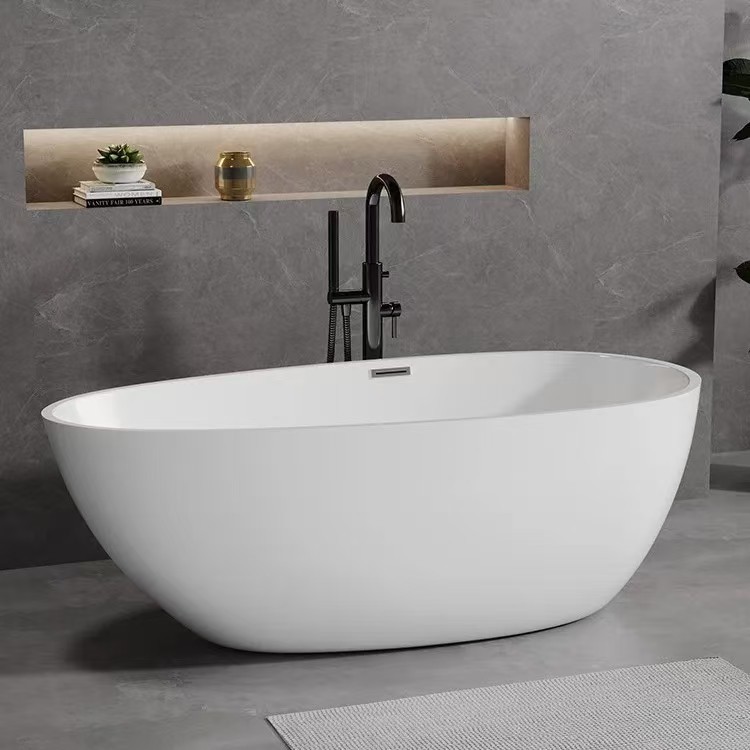
Small bathrooms force every decision to count. A few inches of wasted space, an awkward corner, or a maintenance headache that demands regular attention can turn a compact room into a daily frustration. The bathtub is often the largest single fixture in the space, and the choice of what goes in that footprint shapes everything else: the layout, the cleaning routine, the waterproofing integrity, and the overall feeling of the room. A seamless one-piece bathtub, where the basin and surround walls form a single molded shell, addresses many of the problems that plague small bathrooms with traditional tub-and-tile assemblies. The benefits are practical, immediate, and cumulative.
No Grout Lines to Clean or Maintain
The most obvious advantage of a one-piece bathtub is the absence of grout. A traditional tiled surround has dozens of linear feet of grout joints, each one a porous channel that collects soap scum, body oils, and moisture. In a small bathroom with limited ventilation, those joints stay damp longer, providing ideal conditions for mildew and mold. Cleaning grout is tedious work that requires scrubbing, specialized cleaners, and regular resealing to keep the surface intact.
A seamless one-piece unit has none of those joints. The surface is continuous from the tub rim to the top of the wall surround. A quick wipe with a standard bathroom cleaner and a soft cloth restores the finish. There are no lines to darken, no caulk to crack, and no porous material to harbor bacteria. For a busy household or a homeowner who simply does not want to spend weekend hours on hands and knees with a grout brush, this is a meaningful quality-of-life improvement.
The benefit is magnified in small bathrooms because the surfaces are closer together. In a large bathroom, a mildew spot in the shower corner might go unnoticed for weeks. In a compact space, it is visible from the doorway the moment someone walks in. A seamless surface keeps the room looking cleaner with less effort.
Reduced Risk of Water Intrusion
Every joint in a tiled surround is a potential failure point. Grout can crack. Caulk can separate from the tub rim or the wall. Water that gets behind the tile can damage drywall, rot framing, and create conditions for mold growth inside the wall cavity. Repairing this kind of damage is invasive and expensive, often requiring the removal of tile, backer board, and sometimes structural members.
A one-piece bathtub eliminates most of these failure points by design. The basin and walls are a single molded unit. The only seams are at the perimeter where the unit meets the bathroom walls, and these are sealed with a continuous bead of caulk or a factory-installed gasket. There are no horizontal joints at the tub rim, no vertical corners where two tile planes meet, and no grout beds that can degrade over time.
In a small bathroom, the stakes are higher because there is less room for error. A leak that goes undetected in a compact space can damage adjacent rooms, seep into subflooring, and compromise the structure faster than in a larger bathroom where water has more area to disperse before it finds a path to sensitive materials. The seamless construction of a one-piece tub provides a level of waterproofing integrity that is hard to replicate with site-built tile.
Faster and Less Disruptive Installation
Installing a traditional bathtub and tile surround is a multi-day project that coordinates several trades. The plumber sets the tub and roughs in the drain. The framer or drywaller prepares the walls. The tile setter installs backer board, applies tile, waits for adhesive to cure, grouts, and seals. The painter or finisher touches up edges. Each step depends on the previous one, and the bathroom is out of service for the duration.
A one-piece bathtub compresses this timeline dramatically. The unit arrives as a single shell or a matched set of two or three pieces. The plumber connects the drain and supply. The unit is leveled, shimmed, and fastened to the framing. The finish is already present. A skilled installer can complete the work in a matter of hours rather than days. For a homeowner with only one bathroom, or for a contractor working on a tight schedule, this speed is a significant advantage.
The reduced installation time also translates to lower labor costs. Even if the unit itself costs more than a basic steel tub and tile materials, the savings in plumber, tile setter, and general labor hours often offset the difference. In small bathrooms where every dollar of the renovation budget matters, this cost efficiency can free up funds for better fixtures, improved ventilation, or upgraded flooring.
Better Use of Limited Space
Small bathrooms rarely offer generous dimensions. A standard tub alcove might be only sixty inches long and thirty inches wide, with ceiling heights that feel low and walls that close in. A one-piece bathtub is designed as a unified system, which means the surround walls can be thinner than a tiled assembly because they do not need to accommodate backer board, adhesive, and tile thickness. The saved fraction of an inch on each wall might seem trivial, but in a tight space it can make the difference between a room that feels cramped and one that feels functional.
The molded design also allows for integrated features that save space. Shelves, soap dishes, and grab bars can be formed directly into the wall surface, eliminating the need for protruding accessories that eat into the already limited elbow room. Some units include a molded ceiling panel that extends the waterproof envelope all the way up, protecting the bathroom from steam damage without requiring a separate exhaust fan enclosure or additional wall treatment.
The visual effect matters too. A continuous surface with no grout grid reads as simpler and more open. The eye travels smoothly across the walls without the visual interruption of tile lines. In a small room, this visual continuity helps the space feel larger than it is.
Consistent and Predictable Appearance
Tile is a craft product. The quality of the installation depends on the skill of the setter, the consistency of the tiles, the accuracy of the layout, and the conditions on the day of installation. Lippage, uneven grout lines, color variation, and cuts that do not align perfectly are common enough that even expensive tile jobs can disappoint. In a small bathroom, where the viewer is close to every surface, these imperfections are hard to ignore.
A one-piece bathtub is manufactured in a controlled factory environment. Every unit from the same mold is identical. The color is uniform. The texture is consistent. There are no human variables in the finish. What you see in the showroom is what you get in your bathroom. For homeowners who value predictability and want to avoid the stress of supervising a tile installation, this consistency is a genuine relief.
The appearance also ages well. Tile trends come and go. A subway tile surround that looks fresh now may feel dated in a decade. A simple, seamless white or neutral tub has a timeless quality that does not tie the room to a specific design moment. For a small bathroom that is expensive to renovate, choosing a finish that will not need updating is a practical form of future-proofing.
Lower Long-Term Maintenance Burden
The cost of a bathroom is not just the installation invoice. It is also the years of maintenance that follow. Grout needs sealing. Caulk needs replacement. Tile can chip or crack and may be difficult to match if the original product is discontinued. Each of these tasks requires time, money, and access to the bathroom, which in a one-bathroom home means disruption.
A one-piece bathtub minimizes this ongoing burden. The surface is non-porous and uniform. There are no grout lines to reseal and no caulk joints at the tub rim to replace. Minor scratches can often be buffed out of acrylic or solid surface materials. The unit is designed as a system, so replacement parts such as drain covers or trim kits are usually available from the manufacturer for years after installation.
The durability of the finish varies by material. Acrylic units are repairable and hold heat well but can scratch if cleaned with abrasive products. Fiberglass-reinforced units are more rigid but harder to repair once cracked. Solid surface composites offer the best combination of durability and repairability but cost more. Regardless of the specific material, the maintenance profile of a one-piece unit is simpler than that of a tiled surround.
Accessibility and Safety Features
Small bathrooms are often used by children, elderly family members, or guests with limited mobility. A one-piece bathtub can be specified with built-in safety features that would be difficult or expensive to add to a tiled surround. Textured floors reduce slip risk. Molded grab bars provide secure handholds without the need to drill into tile and compromise waterproofing. Low thresholds or step-in designs make entry and exit easier for users with limited range of motion.
These features are not afterthoughts. They are engineered into the mold, which means they are structurally integrated and visually cohesive. A grab bar molded into the wall is stronger than one screwed through tile into backer board, and it will not loosen over time. A textured floor is part of the surface, not an adhesive applique that can peel or wear away.
In a small bathroom where every square inch is used intensively, safety features that do not protrude into the space or create cleaning challenges are especially valuable. The seamless design allows functionality to be built in without sacrificing the clean lines that make the room feel open.
Choosing the Right Unit
Not every one-piece bathtub suits every bathroom. The dimensions of the alcove or the room must be measured carefully, including doorway width if the unit is a single piece that needs to pass through. The material should be selected based on budget, durability expectations, and thermal preferences. The finish should complement the rest of the bathroom without competing for attention.
For the smallest bathrooms, a tub-shower combination unit maximizes function in minimal space. For bathrooms where only a shower is needed, a one-piece shower stall achieves the same benefits without the tub footprint. For renovations where access is limited, multi-piece units that assemble on site offer a compromise between the seamless finish and the practical constraints of the existing structure.
The common thread is that a unified, molded design solves problems that site-built assemblies create. In a small bathroom, where problems are magnified by limited space and tight budgets, that advantage is hard to overstate.