
Decorative Bamboo Panels for Modern Commercial Interiors
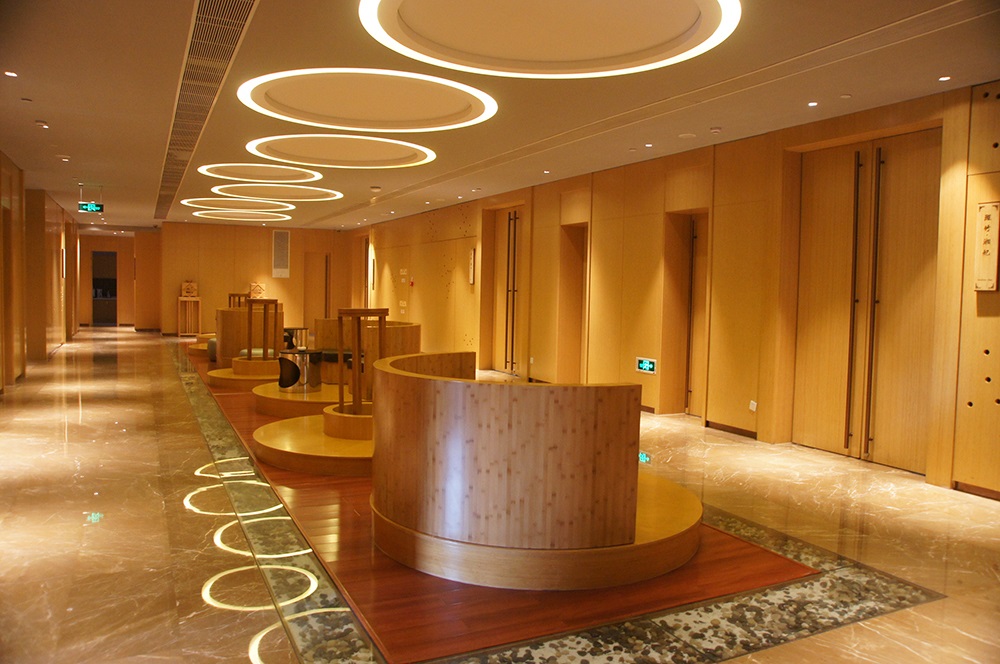
Decorative bamboo panels are becoming a practical choice for commercial interiors that need more character than painted drywall and more warmth than metal, glass, or synthetic wall coverings. They bring a visible natural grain to reception areas, hotel lobbies, restaurants, retail stores, offices, showrooms, and public spaces while supporting demanding requirements for durability, maintenance, and design consistency.
For architects, interior designers, contractors, and commercial property owners, the appeal of bamboo panels goes beyond appearance. Bamboo can be processed into veneer panels, laminated boards, slatted wall systems, acoustic panels, carved screens, ceiling elements, and custom architectural features. This range allows one material family to support several parts of a project without making the interior feel repetitive.
The most successful commercial installations are planned around the conditions of the space. A decorative wall in a quiet boutique hotel has different requirements from a high-traffic restaurant corridor or a busy office reception desk. Panel construction, surface finish, mounting method, edge treatment, and cleaning instructions all influence the final result. Choosing the right specification at the beginning helps the material perform as well as it looks.
Why Decorative Bamboo Panels Work Well in Commercial Spaces
Commercial interiors often need to balance several goals at once. They must look distinctive, remain presentable under frequent use, support the brand identity, and fit within a controlled construction schedule. Decorative bamboo panels can address these needs through a combination of visual warmth, flexible fabrication, and repeatable production.
The grain creates an immediate connection to natural materials. Depending on the bamboo species, manufacturing method, and finish, the surface can appear light and calm, rich and carbonized, finely linear, or strongly patterned. This makes bamboo suitable for minimalist offices as well as hospitality spaces with a more layered visual language.
Bamboo panels are also useful when a designer wants to introduce texture without adding excessive visual weight. Narrow slats create rhythm and shadow lines. Perforated panels add pattern while allowing sound to pass through to an acoustic backing. Veneered sheets provide a continuous surface for reception desks, feature walls, doors, and cabinetry. Solid laminated boards are suitable when a thicker, more substantial appearance is needed.
Another advantage is coordination. A project may use matching bamboo panels on walls, ceilings, counters, room dividers, and furniture fronts. When the grain direction, color, and finish are carefully controlled, these elements create a consistent interior language across multiple areas.
Common Types of Decorative Bamboo Panels
The term decorative bamboo panel covers several different constructions. Understanding the differences helps buyers select a panel that matches the visual goal and the physical demands of the project.
Bamboo Veneer Panels
Bamboo veneer panels use a thin bamboo surface bonded to a stable core. They are a good fit for large wall surfaces, cabinet fronts, reception counters, and doors where a consistent bamboo appearance is required without using thick solid material throughout the piece.
Veneer can be arranged horizontally, vertically, edge-grain, or in a laminated pattern. The arrangement changes the visual direction of the wall and can influence how a room feels. Vertical grain may make a ceiling appear higher, while horizontal grain can emphasize the width of a lobby or corridor.
Laminated Bamboo Panels
Laminated bamboo panels are made by bonding processed bamboo strips or layers under controlled pressure. They offer a denser and more substantial construction than many veneer products. Laminated panels are commonly specified for wall cladding, partitions, furniture components, stair elements, and areas where the panel edge may remain visible.
The exposed edge can become part of the design. Alternating layers may create a striped appearance, while a matching edge finish can produce a quiet, monolithic look. The panel can also be machined for grooves, slots, rounded corners, and other details.
Bamboo Slat Wall Panels
Bamboo slat panels consist of narrow bamboo strips mounted with regular spacing. The open joints create depth, shadow, and a strong architectural rhythm. Slat walls are especially popular behind reception desks, in hotel corridors, inside restaurants, and on feature walls in office interiors.
A backing layer can be added behind the slats to improve acoustic performance. The backing may be dark to emphasize the spacing or matched to the wall color for a more subtle appearance. Slat width, spacing, thickness, and grain direction can all be adjusted to suit the project.
Perforated Bamboo Acoustic Panels
Perforated bamboo panels combine a decorative surface with acoustic function. Small holes, linear slots, geometric cuts, or custom patterns allow sound energy to pass through the panel to an acoustic backing material. This makes them useful in meeting rooms, restaurants, open-plan offices, auditoriums, libraries, and hospitality spaces.
The perforation pattern should be selected with both appearance and acoustic performance in mind. A visually dense pattern may provide a different result from wide linear slots. The panel manufacturer should confirm the intended backing system, installation gap, and maintenance requirements before production begins.
Carved and CNC-Cut Bamboo Panels
CNC machining allows bamboo sheets to be cut with repeating patterns, brand-inspired shapes, signage details, and custom screens. Carved panels can function as room dividers, decorative partitions, elevator lobby features, bar fronts, and ceiling inserts.
These panels are particularly useful when a project needs a recognizable feature without relying on printed graphics. The depth of the cut, the level of transparency, and the lighting behind the panel can be adjusted to create different effects. Designers should request a physical sample when the pattern includes fine details, because bamboo grain and panel thickness can affect the appearance of small cuts.
Design Options for Modern Commercial Interiors
The visual flexibility of decorative bamboo panels comes from more than the panel shape. Color, grain arrangement, edge profile, texture, and lighting all contribute to the finished appearance.
Natural and Carbonized Colors
Natural bamboo typically shows a pale golden tone with visible linear grain. It works well in bright offices, wellness spaces, cafes, coastal hospitality interiors, and retail environments that call for a lighter palette.
Carbonized bamboo has a deeper honey, caramel, or toasted brown color created through controlled heat treatment. It brings a more intimate feel to restaurants, hotel lounges, executive offices, and high-end retail spaces. Because color can vary between production batches, large projects should approve a reference sample before the full order is manufactured.
Horizontal and Vertical Grain
Grain direction affects how a panel relates to the surrounding architecture. Vertical grain can add height and movement to a wall, while horizontal grain can make a counter, corridor, or long wall feel more connected. End-grain patterns create a stronger visual texture and may be used for feature sections or furniture details.
When panels are installed across a large area, grain matching becomes important. A manufacturer can often organize sheets by tone and grain direction, but this needs to be discussed before production rather than after the panels arrive on site.
Smooth, Brushed, and Textured Surfaces
A smooth finish gives bamboo a clean, refined appearance and makes it suitable for contemporary offices, hotels, and retail interiors. A brushed finish brings out the grain and gives the wall a slightly more tactile quality. Deeper textures can create a handcrafted appearance, although they may require more careful dusting and cleaning.
Surface texture should be chosen according to the location. A deeply textured panel may look impressive behind a reception desk but may be less practical in a narrow corridor where bags, carts, or cleaning equipment can make contact with the wall.
Integrated Lighting
Bamboo panels pair naturally with warm architectural lighting. Linear LED strips can be placed behind slats, inside cut-out screens, or along recessed panel joints. Backlighting can make a perforated pattern more visible and give a reception wall greater depth.
Lighting should be coordinated with the panel thickness, mounting system, cable access, and heat management. The bamboo surface should not be exposed to excessive heat, and the installation should allow service access where required.
Where Commercial Bamboo Panels Are Used
Decorative bamboo panels can serve both aesthetic and practical roles across many commercial environments.
Offices and Corporate Interiors
In offices, bamboo panels are often used in reception areas, conference rooms, collaboration zones, executive offices, and shared lounges. They soften the appearance of large glass and metal surfaces while maintaining a professional visual standard.
Acoustic bamboo panels are particularly useful in open-plan workspaces. Used with suitable backing materials, they can help reduce reflected sound in areas where conversations, calls, and movement create a busy acoustic environment.
Hotels and Hospitality Spaces
Hotel designers use bamboo panels for lobby walls, check-in counters, guest corridors, restaurants, spa interiors, room dividers, and headboard features. A consistent bamboo finish can connect different areas of a property while allowing each zone to have its own pattern or panel format.
For hospitality projects, finish durability and cleanability deserve close attention. Panels near luggage areas, elevators, bars, and dining spaces may experience more contact than panels used in decorative niches.
Restaurants and Cafes
Bamboo panels add warmth to restaurants and cafes, where guests often respond to the tactile quality of natural materials. Slatted walls can define seating zones, while carved screens can separate tables without blocking light or making the room feel crowded.
Panels used near cooking areas, sinks, and service counters should be specified with appropriate moisture protection and cleaning guidance. Decorative appearance should not be treated as a substitute for correct placement and ventilation.
Retail Stores and Showrooms
Retail spaces need surfaces that support the product display rather than compete with it. Bamboo can provide a calm, natural backdrop for clothing, cosmetics, furniture, electronics, food products, and lifestyle goods.
Custom CNC-cut panels can also help reinforce a brand identity. A store may use a repeated pattern inspired by its logo, packaging, or product shape while keeping the material itself visible.
Public and Institutional Buildings
Libraries, educational facilities, visitor centers, cultural venues, and community buildings can use bamboo panels for wall protection, acoustic treatment, directional features, and visual zoning. In these settings, the design should be paired with suitable fire performance, cleaning, and impact requirements for the local building code.
Important Performance Considerations
A commercial bamboo panel should be selected for the actual environment, not only for its appearance in a sample room.
Moisture and Humidity
Bamboo is a natural material, so it responds to changes in moisture. Stable manufacturing, proper sealing, and suitable acclimatization reduce the chance of movement after installation. Areas with high humidity or occasional splashing require a finish and substrate selected for those conditions.
Interior panels should be protected from direct water exposure unless they have been specifically designed and tested for it. A bathroom feature wall, a restaurant backsplash, and a dry office partition should not automatically use the same specification.
Fire Performance
Commercial interiors may have strict requirements for flame spread, smoke development, and wall assembly performance. The relevant requirement depends on the location, building type, and local regulations. Buyers should request the documentation required for their project and confirm whether testing applies to the finished panel, the surface coating, or the complete wall assembly.
Impact and Abrasion Resistance
High-traffic areas need finishes that can withstand repeated contact, cleaning, and occasional impact. A panel placed behind a reception desk may need less protection than one installed beside an elevator or in a busy hotel corridor.
Edge protection is also important. Rounded edges, recessed joints, durable trims, and carefully designed transitions can reduce damage during daily use and cleaning.
Acoustics
Bamboo itself is not automatically an acoustic treatment. The acoustic result depends on the panel openings, cavity depth, backing material, wall construction, and installation method. Slatted and perforated panels can contribute to sound control when they are designed as part of a complete acoustic system.
Installation and Maintenance Planning
Installation should begin with accurate site measurements and a review of the substrate. Commercial walls are rarely perfectly flat, and uneven surfaces can become more visible when long panels or continuous slats are installed. A subframe or leveling system may be needed for a clean result.
Panel joints should be planned around doors, corners, lighting, outlets, fire equipment, and access panels. A good layout reduces small cut pieces and keeps the visual rhythm consistent. For large projects, it is useful to prepare a shop drawing showing panel numbers, grain direction, joint positions, and installation sequence.
Maintenance is generally straightforward. Regular dust removal with a soft cloth or vacuum brush helps protect the surface. When needed, use a damp cloth and a mild cleaning solution recommended for the finish. Avoid soaking the panel, abrasive pads, harsh solvents, and unapproved polish products. Any standing moisture should be removed promptly.
Replacement planning is worth considering for busy commercial spaces. Keeping a small number of spare panels from the same production batch can make future repairs easier, especially when the original color or grain is difficult to match.
Custom Manufacturing for Commercial Projects
Commercial projects often require more than a standard sheet size. A manufacturer may be able to provide custom panel dimensions, matching slats, edge profiles, grooves, holes, carved patterns, logos, and prefinished surfaces.
The design brief should include the intended application, panel dimensions, substrate requirements, color target, finish level, fire or acoustic requirements, mounting method, and expected order quantity. If the project has several areas with different conditions, each area should be specified separately.
Samples are essential for approval. A small sample helps confirm color, grain, texture, edge quality, and coating appearance under the project lighting. For a large installation, a sample wall or mock-up can reveal issues that are not visible on a hand-sized piece.
Reliable production also depends on packaging and delivery. Bamboo panels should be protected against moisture, impact, and edge damage during transport. Labels should identify panel numbers and installation locations so the site team can work efficiently.
Why Bamboo Panels Support Better Commercial Design Decisions
Decorative bamboo panels give commercial interiors a material with a clear visual identity and a wide range of practical uses. They can bring warmth to a minimal office, create a memorable restaurant feature, support acoustic comfort in a meeting room, or provide a refined natural backdrop in a hotel lobby.
The best results come from treating bamboo as an architectural material rather than a decorative afterthought. When the panel construction, finish, installation system, lighting, and maintenance plan are considered together, bamboo can remain attractive through years of daily commercial use.
For designers and buyers, the key questions are straightforward: Where will the panel be installed? How much contact and cleaning will it receive? Does the project require acoustic or fire documentation? Which color and grain direction support the overall interior? Can the supplier provide consistent production, protective packaging, and replacement support?
With those questions answered early, decorative bamboo panels become more than a feature wall. They become a coordinated design element that supports the identity, comfort, and long-term usability of modern commercial interiors.