
Appearance
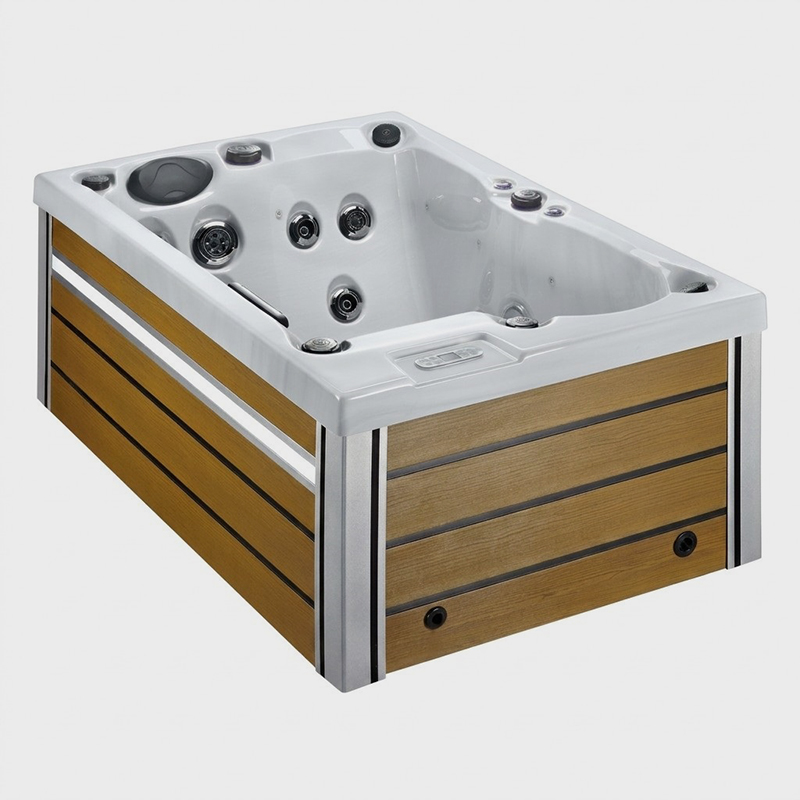
Small Backyard Swim Spas: Best Features for Space Maximization
Maximizing a limited outdoor footprint requires careful planning and strategic choices, especially when adding a major water feature to the property. Homeowners who want the benefits of aquatic fitness and relaxation but lack the square footage for a traditional lap pool are increasingly turning to compact swim spas. These units bridge the gap between a standard hot tub and a full-sized swimming pool, delivering vigorous resistance for exercise alongside soothing hydrotherapy.
Selecting the right unit for a constrained space is not just about picking the smallest model available. It involves understanding how water dynamics operate in a short vessel, how the exterior cabinet integrates with existing landscaping, and how routine maintenance can be performed when property line setbacks severely restrict access. A carefully chosen unit will provide years of reliable service while seamlessly blending into the surrounding environment.
Compact Dimensions and Footprint Efficiency
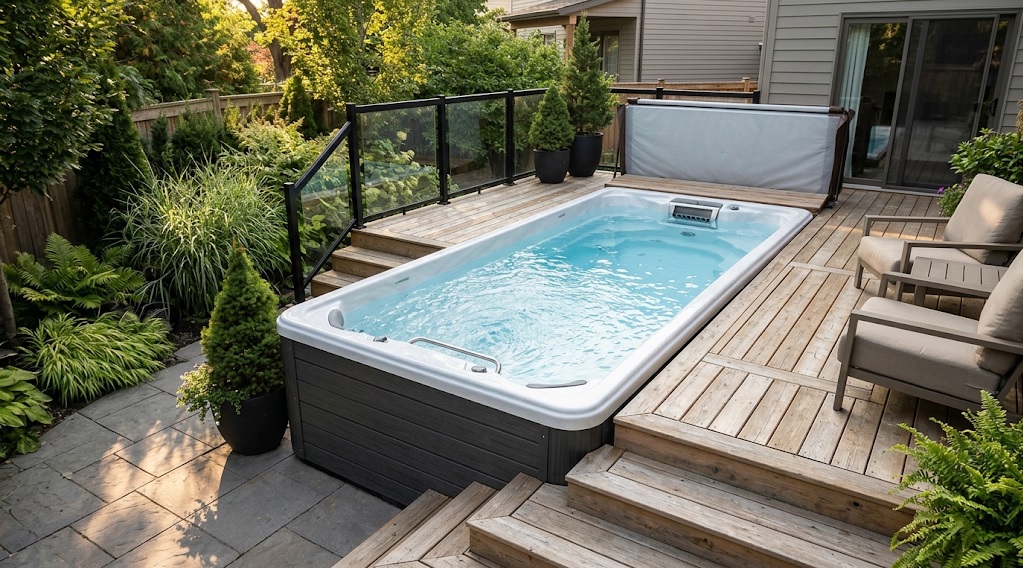
The physical size of the unit is the most obvious consideration when working with limited outdoor real estate. However, the external dimensions only tell part of the story. The internal layout and the thickness of the acrylic shell significantly impact the actual usable space inside the water.
Optimal Footprints
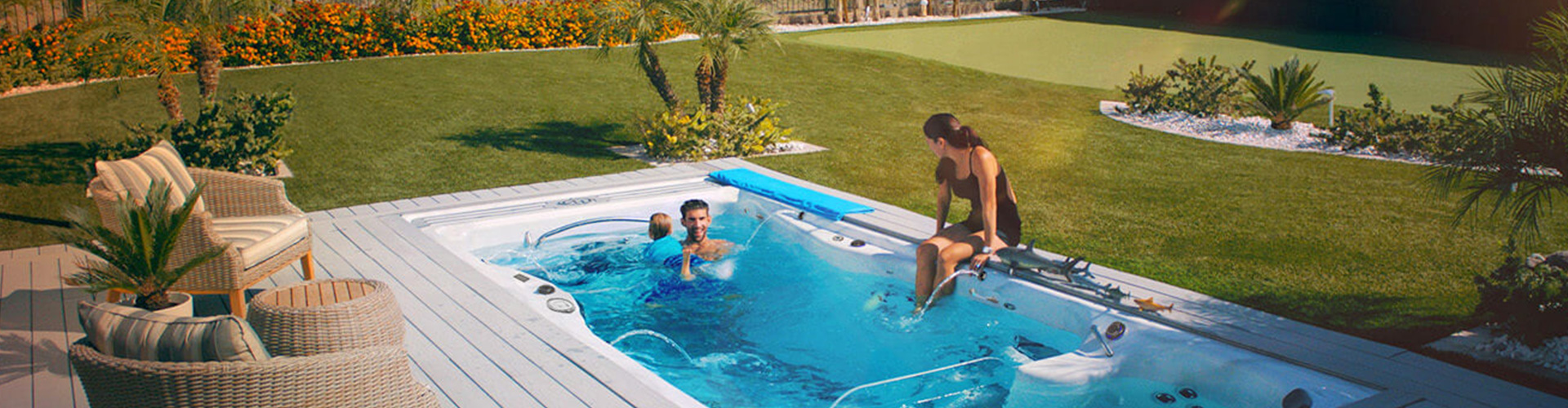
For constrained properties, models ranging from twelve to fifteen feet in length offer the best balance between a functional swimming lane and an manageable overall footprint. A twelve-foot model is generally the minimum length required to accommodate a standard adult swimming stroke comfortably without kicking the rear seating area. Manufacturers achieve these compact lengths by utilizing vertical wall designs. Instead of the sloping walls often found in traditional hot tubs, a steep interior profile maximizes the volume of the swim channel while keeping the exterior cabinet relatively small. Width is usually standardized around eight feet to comply with standard shipping and delivery regulations, which also makes integrating the unit into a typical patio or deck layout much easier.
Smart Shell Engineering
High-quality acrylics reinforced with dense fiberglass layers allow for thinner, stronger shell construction. This engineering approach means the cabinet does not need to be excessively bulky to support the water weight. A thinner profile yields a wider and longer internal swim area within the same external footprint. When evaluating different models, paying close attention to the ratio of external footprint to internal water volume provides a clear indicator of how efficiently the manufacturer has utilized the available space.
Advanced Current and Resistance Systems
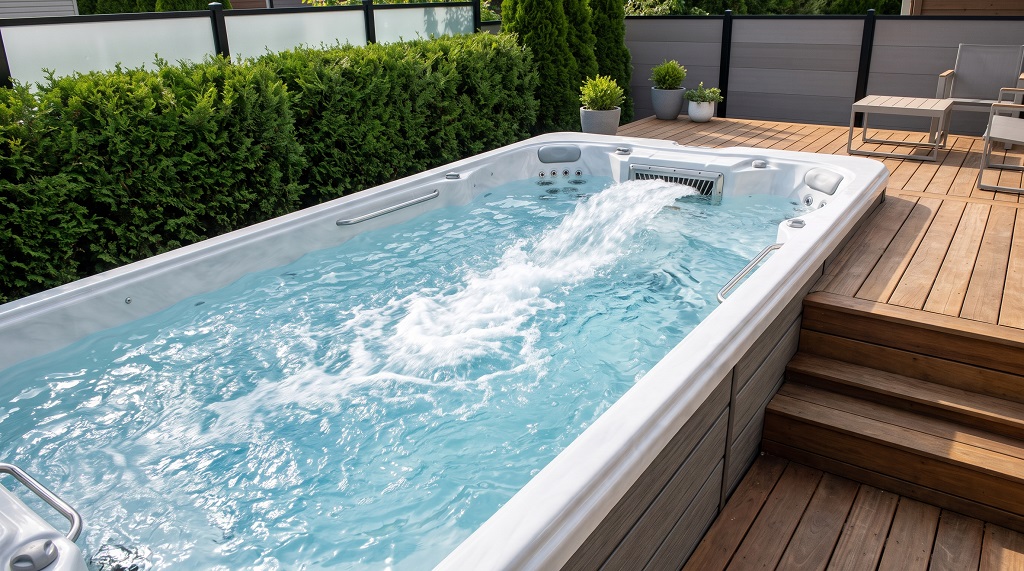
A smaller vessel presents a unique hydraulic challenge: managing water turbulence. In a traditional lap pool, the water displaced by the swimmer has plenty of room to dissipate. In a twelve-foot vessel, the water hits the back wall almost immediately and bounces back toward the swimmer, potentially creating a chaotic, choppy environment that makes swimming difficult. The technology driving the water current is therefore critical.
Jet Driven Systems
Standard systems rely on high-volume water pumps pushing water through multiple large jets positioned at the front of the unit. These jets create a strong stream of resistance. To prevent turbulence in a small space, the best jet-driven units feature specially designed return channels molded into the floor or side walls of the shell. These channels smoothly pull the water from the back of the vessel and route it to the front suction intakes, creating a continuous, predictable loop rather than a random churning effect. Fully adjustable jet nozzles also allow the user to aim the flow precisely, accommodating different body sizes and swimming styles.
Propeller Technology
For a premium experience in a tight space, propeller-driven systems offer significant advantages. Instead of pumping water through narrow jet nozzles, a large, variable-speed propeller generates a wide, deep, and smooth river of water. Because the current is broader than the swimmer's body and flows more evenly, it drastically reduces the "splash back" effect off the rear wall. This laminar flow is ideal for smaller models because it requires less physical distance for the water to smooth out, providing a superior athletic experience even in a highly constrained environment.
Multi-Functional Hydrotherapy Elements
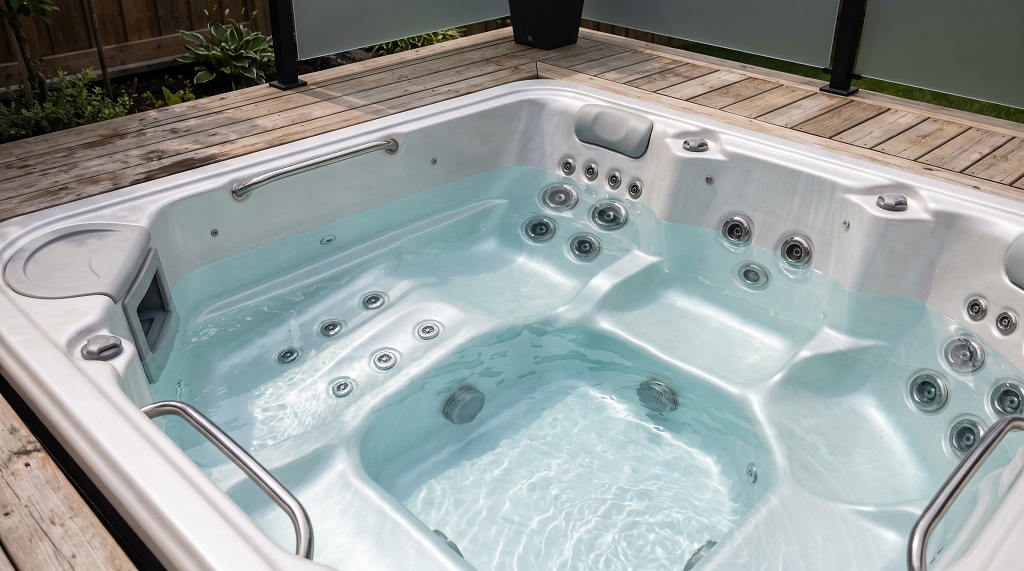
Space constraints dictate that backyard additions serve multiple purposes. A high-quality unit should perform just as well for muscular recovery and relaxation as it does for rigorous cardiovascular training. The integration of hydrotherapy features requires smart spatial planning to ensure they do not encroach upon the active swimming lane.
Ergonomic Seating
The placement of therapy seats is usually confined to the rear corners of the vessel. The best designs feature recessed seating that sits flush against the outer boundaries of the shell. This prevents the occupant's knees from protruding into the path of another person who might be swimming against the current. The contours of the seats should follow the natural curve of the spine, ensuring comfort without requiring thick, space-consuming headrests or bulky armrests that diminish the overall internal volume.
Targeted Massage Jets
Effective hydrotherapy relies on precision rather than sheer volume. High-end units utilize specialized jet arrays tailored to specific muscle groups, such as the lumbar region, the calves, and the upper shoulders. Adjustable stainless steel jets that allow users to control the pressure and direction of the water are essential. Furthermore, the hydrotherapy section should be powered by its own dedicated pump. This independent control ensures that someone can enjoy a quiet, low-pressure massage while the main swim current remains entirely deactivated, saving energy and reducing noise.
Installation Strategies and Aesthetics
Integrating a large, rectangular structure into a confined landscape requires creative architectural planning. A massive cabinet sitting entirely above ground can easily overpower a small garden, making the yard feel cramped and visually heavy.
Recessed Placement
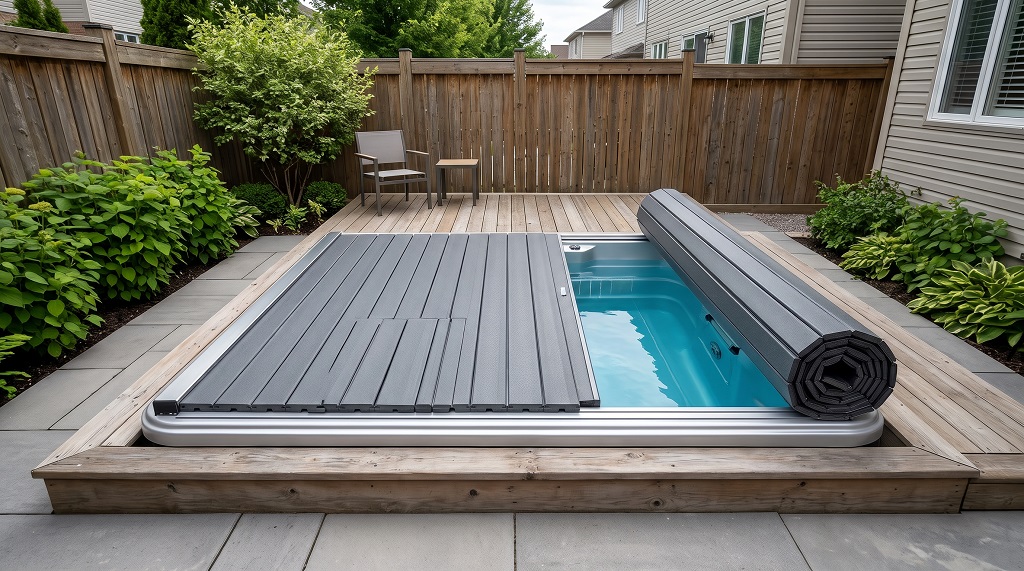
Partially or fully recessing the unit into the ground or surrounding it with raised decking is a highly effective way to manage its visual impact. A semi-recessed installation, where the unit is lowered roughly halfway into a concrete vault, brings the top edge down to a comfortable seating height. This strategy drastically reduces the visual bulk of the cabinet, allowing the eye to flow uninterrupted across the landscape. It also makes entering and exiting the water much easier, eliminating the need for steep exterior staircases that consume valuable patio space.
Equipment Access
When planning a recessed or deck-integrated installation in a tight yard, accessing the internal machinery for maintenance is a major logistical hurdle. Standard designs often place pumps, heaters, and control boards on multiple sides of the cabinet. In a small yard, providing the standard three feet of clearance on all four sides is often physically impossible. Units designed specifically for tight installations feature centralized, front-access equipment panels. Having all crucial mechanical components located behind a single removable panel at the front of the unit allows builders to tuck the other three sides flush against retaining walls, property fences, or existing patios.
Energy Efficiency and Thermal Retention
Heating thousands of gallons of water requires considerable energy, and maintaining that temperature is vital for both operating costs and year-round usability. In dense suburban environments, retaining heat and keeping the internal mechanics protected from harsh weather are primary concerns.
High Density Insulation
The method used to insulate the shell heavily impacts energy consumption. Full-foam insulation, where the entire void between the exterior cabinet and the interior shell is filled with high-density polyurethane foam, provides exceptional thermal retention. This approach creates a rigid structural bond that minimizes vibration and significantly dampens the noise emitted by the high-powered water pumps. Noise reduction is particularly crucial when the unit is installed just a few feet away from a neighbor's fence or a bedroom window. Alternatively, some manufacturers use advanced perimeter insulation combined with reflective foil barriers, which traps the ambient heat generated by the pumps inside the cabinet to warm the shell passively.
Practical Cover Solutions
A thick, well-fitted thermal cover is non-negotiable for keeping debris out, reducing evaporation, and locking in heat. However, managing a heavy cover in a small space requires foresight. Traditional bi-fold vinyl covers are heavy and require clearance behind the unit for the mechanical lifter to operate. If the vessel is installed near a property line or beneath a pergola, there simply might not be enough vertical or rear clearance to fold the cover back. Rolling covers offer an excellent alternative. Constructed from rigid, insulated slats, these covers roll smoothly to one end of the vessel, requiring zero vertical clearance and functioning perfectly in tight, restricted setups.
Smart Maintenance and Water Care
Maintaining pristine water clarity and sanitation should not be a laborious daily chore. In a compact backyard, strong chemical odors resulting from poorly managed water chemistry can quickly make the adjacent outdoor living areas unpleasant. Advanced filtration and sanitation technologies mitigate these issues while reducing the time spent on active maintenance.
Advanced Purifiers
Ozone generators and UV-C light sterilization systems are standard features on premium models. An ozone generator injects ozone gas into the water line, which rapidly oxidizes organic contaminants and bacteria before safely dissipating. UV-C systems pass the water through a chamber exposed to ultraviolet light, neutralizing pathogens at a genetic level. Using these two technologies in tandem drastically reduces the reliance on traditional chlorine or bromine. Keeping chemical usage to a minimum not only protects sensitive skin and swimwear but also ensures that the air around the patio remains fresh and completely free of harsh chemical smells.
Skimmer Efficiency
Because a small yard often means the water surface is close to overhanging trees, shrubs, and falling leaves, a high-volume filtration system is essential. Dual-core skimmers that pull water from the surface at a high rate ensure that floating debris is captured in the filter basket before it has a chance to sink and degrade on the floor of the vessel. Easy-access, top-loading filter compartments allow the homeowner to pull out the filter cartridges, rinse them down, and replace them within minutes without needing to drain any water or access the internal cabinet.
Thoughtful consideration of these features ensures that adding a major water amenity to a confined property results in a visually appealing, highly functional, and easily maintained outdoor oasis. Careful planning regarding dimensions, water dynamics, installation techniques, and routine maintenance systems yields an environment suited for both rigorous fitness routines and quiet evening relaxation.