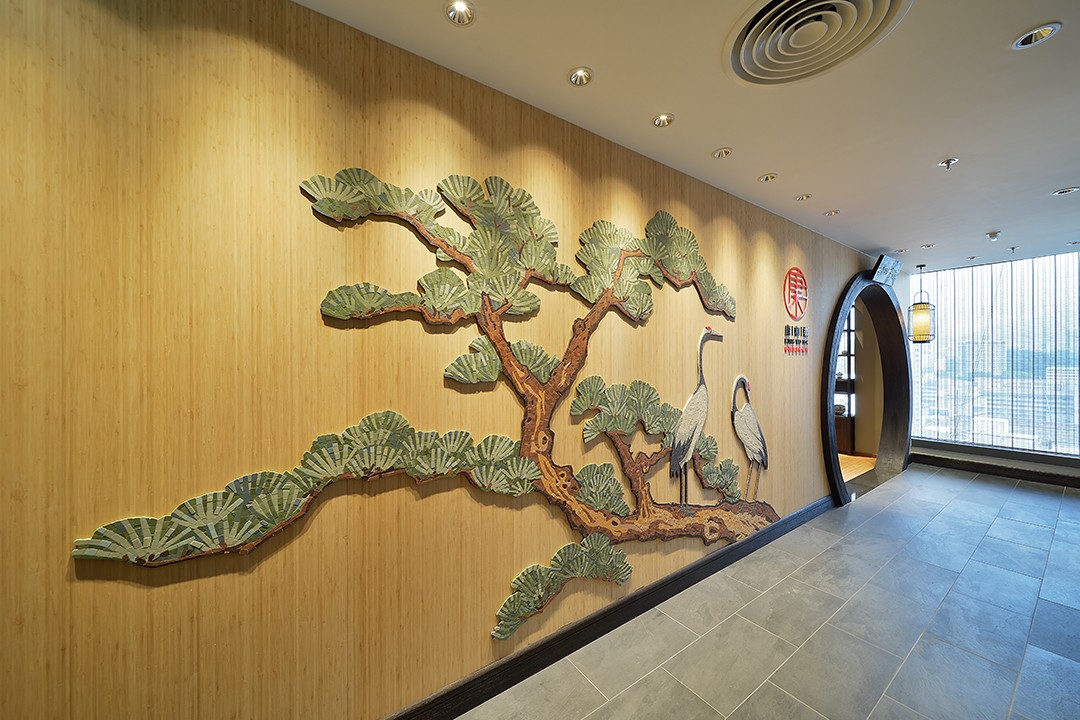
Bamboo has steadily earned a respected place in commercial interiors, hospitality developments, multi‑unit housing, and public buildings. Many interior designers who handle large‑scale projects choose it not only for its appearance, but for a combination of functional and practical advantages that support long‑term use. As project requirements become more complex and expectations for durability, sustainability, and aesthetic consistency grow, bamboo offers a balance that few natural materials can match.
This blog explores the reasons designers continue to rely on bamboo when planning expansive interiors, along with insights into its performance, versatility, and value in diverse environments.
Material Consistency Across Large Spaces
One of the challenges in large‑scale interior projects is maintaining visual continuity from room to room and floor to floor. Natural materials can be unpredictable, and differences in grain, tone, or texture may disrupt the overall visual flow. Bamboo provides a level of consistency that simplifies this process.
Because bamboo is harvested and processed in uniform strips or fibers, manufacturers can achieve predictable color batches and repeatable grain patterns. This consistency helps designers create calm, cohesive environments—especially in hotels, offices, retail spaces, or residential towers where uniformity plays a role in the design narrative.
For projects requiring hundreds or thousands of square meters of flooring, paneling, or built‑ins, this predictability reduces risk and allows design teams to coordinate finishes with greater confidence.
Sustainability Standards That Meet Modern Expectations
Large‑scale developments increasingly prioritize environmental responsibility. Many carry sustainability ratings, require low‑impact materials, or need documentation proving responsible sourcing. Bamboo supports these needs naturally due to its rapid growth cycle and minimal resource requirements.
Its ability to regenerate from its own root system without replanting makes it a renewable choice with a lower long‑term ecological footprint than many hardwoods. When processed under responsible conditions, bamboo can meet stringent certifications for indoor air quality, emissions, and sustainable forestry.
Interior designers appreciate materials that help projects meet environmental benchmarks without complicating procurement. Bamboo’s strong sustainability profile often aligns seamlessly with these targets, making it a straightforward choice.
Durability Suitable for Heavy Foot Traffic
Commercial settings rarely experience gentle use. Corridors, lobbies, dining areas, and communal lounges must withstand constant movement, rolling carts, luggage wheels, cleaning cycles, and furniture shifting. Bamboo performs reliably under these conditions, especially when designers select strand woven varieties.
Strand woven bamboo is known for its exceptional density, giving it a hardness rating that outperforms many species used in commercial flooring. It resists denting, surface wear, and impact, making it a viable solution for spaces that demand resilience.
For designers, this strength directly translates into fewer maintenance issues and a lower risk of costly early replacement—important considerations in multi‑million‑dollar developments where long‑term durability is non‑negotiable.
Versatile Appearance That Suits Many Design Languages
Large‑scale projects often integrate different zones—lounge areas, private rooms, collaborative spaces, transitional corridors, reception halls—each with its own design intent. Bamboo’s flexible aesthetic allows it to adapt to these varied settings without feeling out of place.
Its grain can appear refined and elegant in upscale hospitality settings, warm and natural in residential developments, or clean and modern in contemporary office environments. Color options range from soft blonde to rich bronze and deep carbonized hues, giving designers room to craft layered palettes.
Some designers use bamboo for flooring only, while others extend it to wall panels, stair elements, cabinetry, or acoustic cladding. Its ability to bridge multiple surfaces helps unify large interiors with a consistent material story.
Efficient Installation and Predictable Lead Times
Timelines are critical in large projects. Delays in flooring or millwork installation can affect every subsequent phase, from painting to furniture placement. Bamboo products from established suppliers tend to feature standardized dimensions and locking mechanisms that simplify installation.
Engineered bamboo floors, for example, often come with precise click‑lock systems that reduce labor time and support faster progress across large areas. Even traditional tongue‑and‑groove systems benefit from bamboo’s uniformity, which leads to fewer adjustments during installation.
Predictable lead times also matter. Because bamboo grows quickly and yields consistent volumes, supply chains are less affected by the constraints that impact slow‑growing hardwoods. Designers and project managers often remark on the reliability of bamboo sourcing when coordinating with contractors and logistical teams.
Stable Performance in Varied Indoor Environments
Different rooms within a large project may experience different climate conditions. A lobby may face external temperature fluctuations, while interior offices maintain steady air conditioning. Bamboo’s engineered formats and strand woven structures offer stability under these varied conditions.
When acclimated and installed properly, bamboo holds its shape well, limiting concerns such as gapping, cupping, or excessive expansion. This stability is especially valuable for high‑rise buildings, coastal properties, and heavily climate‑controlled environments, where some natural materials struggle to maintain dimensional consistency.
Reliable performance reduces the need for frequent inspections or repairs, allowing maintenance teams to focus on routine care rather than structural issues.
Warmth and Acoustic Comfort in Large Interiors
Large public spaces often risk feeling cold or echo‑prone due to vast surfaces, tall ceilings, and hard finishes. Bamboo helps soften these spaces both visually and acoustically.
Its natural grain and warm tones counterbalance glass, metal, and stone, providing a more inviting atmosphere. At the same time, bamboo absorbs more sound than many synthetic options, helping reduce sharp echoes or footstep noise—an important quality in hotels, open‑plan offices, learning environments, and multifamily buildings.
Designers who prioritize comfort and ambiance often select bamboo for its ability to influence the sensory experience of a space beyond its visual contribution.
Customization Options for Unique Project Requirements
Large‑scale projects frequently call for custom elements—feature walls, reception desks, staircase treads, built‑in furniture, or branded interiors. Bamboo lends itself well to customization due to its strength and workability.
Manufacturers commonly produce bamboo in panels, boards, veneers, and specialty components, giving designers multiple formats to shape. Some projects incorporate matching bamboo finishes across floors, walls, and ceilings to create seamless environments.
Custom stains, unique textures, matte coatings, and brushed finishes allow design teams to achieve the exact atmosphere they want, whether it’s polished and refined or natural and understated.
This adaptability makes bamboo a valuable tool for architects and interior designers who aim to tailor each detail to the project’s concept.
Cost Efficiency Over Long Project Cycles
Budget management is a major factor in any large development. Bamboo helps strike a balance between cost control and material quality. While not the cheapest flooring option, it offers durability comparable to many high‑end hardwoods at a more accessible price point.
The long service life of strand woven bamboo, combined with its resistance to wear, often leads to lower long‑term replacement costs. Maintenance requirements remain modest as well, further reducing lifecycle expenses.
For commercial developers, institutions, and property groups, materials that align strong performance with responsible budgets tend to become recurring choices across multiple projects. Bamboo’s track record in this regard reinforces its position in the specification lists of many design firms.
A Material That Aligns With Modern Design Values
Interior design for large‑scale environments has become increasingly focused on human comfort, sustainability, and visual clarity. Bamboo aligns naturally with these priorities. It brings organic warmth into expansive spaces, supports environmentally conscious project goals, and withstands the demands of heavy use.
Its ability to blend functional resilience with refined aesthetics allows designers to create interiors that feel grounded and purposeful. As expectations for material performance continue to rise, bamboo remains well suited to the practical realities of large‑format construction and design.
Interior designers who choose bamboo do so because it supports their creative intent while reliably meeting the technical demands of complex projects. Its continued presence in commercial and residential developments reflects a material that has proven itself across diverse environments and scales.
Bamboo’s unique combination of reliability, beauty, and environmental responsibility gives it a place in large‑scale interiors that few materials can match. Its adaptability and long‑term value continue to make it a favored choice among design professionals who seek both dependable performance and a warm, natural touch.