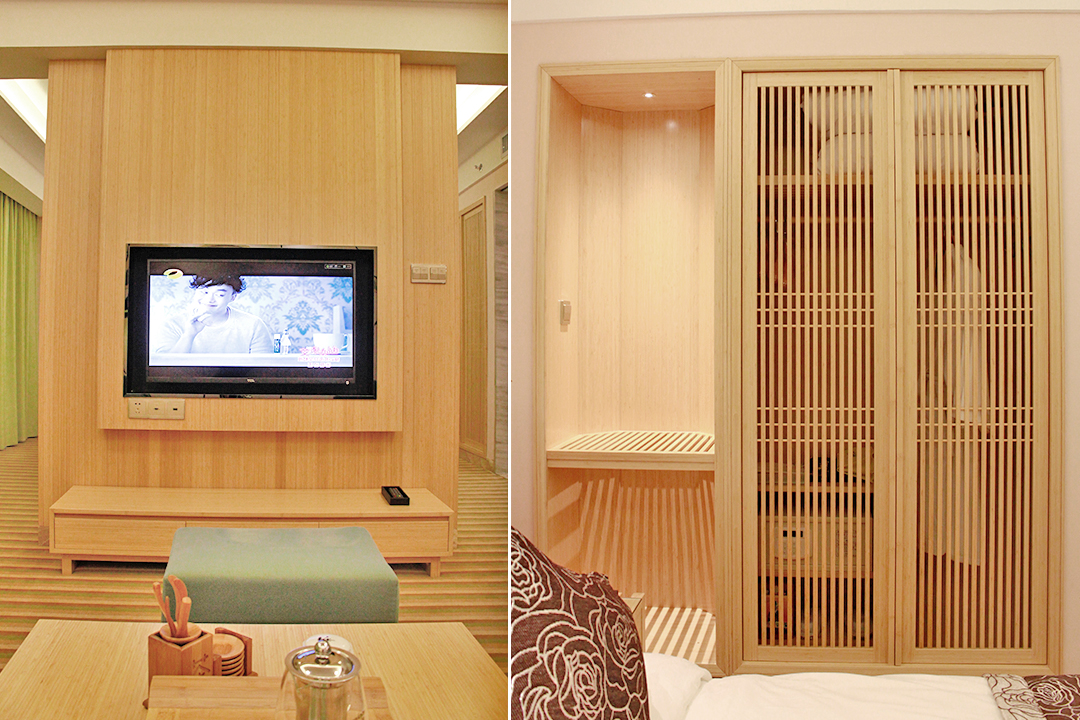
Bamboo flooring has become a preferred choice for homeowners, builders and designers who want a surface that brings warmth, durability and a clean, natural aesthetic. Its dense structure, resistance to wear and contemporary appearance make it suitable for a wide range of interior environments. But the performance of any flooring material is only as good as the foundation beneath it. Proper subfloor preparation is essential for ensuring a stable installation and long‑lasting results. Even beautifully engineered bamboo boards can suffer from gaps, squeaks or premature wear if the base is not correctly assessed and prepared.
Subfloors vary widely from home to home. Some are made of concrete slabs, others consist of plywood or OSB panels over joist systems. Each type interacts differently with adhesives, fasteners and floating underlayments. By taking the time to evaluate the subfloor’s condition and address underlying issues, installers help create a reliable foundation that supports the performance qualities bamboo flooring is known for.
Understanding the Role of the Subfloor
A subfloor does more than hold the finished flooring in place. It distributes loads across a wider area, reduces deflection between joists, minimizes noise and helps maintain a level surface. When installing bamboo flooring—whether it’s strand‑woven, engineered or traditional solid planks—the subfloor must be stable, clean and dry.
A poorly prepared subfloor can cause problems that are difficult to correct later. Unevenness may lead to plank movement or hollow sounds. Excess moisture can cause cupping, swelling or adhesive failure. Loose panels or joists can create persistent squeaks. Addressing these conditions early avoids long-term complications and helps protect the investment made in the flooring.
Checking Moisture Levels
Moisture is one of the most important factors to evaluate before installation. Bamboo is dimensionally stable compared with many hardwoods, but it can still react to excessive humidity or moisture intrusion. A proper moisture assessment involves testing both the subfloor and the bamboo flooring itself. The goal is to ensure the materials have reached a state of equilibrium before installation begins.
On wood subfloors, handheld moisture meters provide reliable readings. Installers typically look for moisture levels that fall within acceptable tolerances recommended by the flooring supplier. If the moisture content is too high, ventilation improvements or dehumidification may be necessary before proceeding.
Concrete slabs require a different approach. Even older slabs that appear dry can release moisture vapor. Tools such as calcium chloride tests or relative humidity probes help assess the slab’s condition. If moisture emissions exceed acceptable levels, mitigations such as moisture‑control membranes or adhesive systems designed for higher moisture conditions may be required.
Ignoring moisture testing can lead to flooring movement, adhesive breakdown, mold, or unexpected expansion. Establishing a stable moisture environment supports the long-term performance of bamboo flooring.
Ensuring Subfloor Flatness
Flatness plays a crucial role in a successful installation. Even high‑quality bamboo planks cannot compensate for a subfloor that dips or crowns significantly. Industry standards provide tolerances for both floating and glue‑down installations, usually measured in small variations over a set number of feet.
For wood subfloors, depressions may be filled with leveling compound or corrected by sanding high spots. In some cases, loose or damaged panels must be removed and replaced. With concrete, leveling compounds are commonly used to create an even surface. Cracks should be filled, but underlying causes—such as settlement or structural movement—should also be evaluated if signs of significant shifting are present.
Flatness is essential for floating installations. Gaps beneath the planks can lead to movement and clicking sounds. Glue‑down installations require close attention as well, because an uneven subfloor can reduce the adhesive bond and introduce unnecessary stress points.
Cleaning and Surface Preparation
A clean subfloor provides better adhesion and allows underlayments or vapor barriers to sit properly. Dust, debris, old adhesives and paint overspray can interfere with even flooring installation.
Wood subfloors should be swept thoroughly and vacuumed to remove fine particles. Any protruding fasteners must be set below the surface. Old staples, nails or flooring residues should be eliminated to avoid telegraphing through the finished floor or creating raised areas that disrupt plank alignment.
Concrete surfaces often require more extensive cleaning. Oils, curing compounds or surface contaminants can interfere with adhesives. Mechanical abrasion, such as light grinding, may be needed to create a clean, bond‑ready surface. If a vapor barrier or primer is part of the installation system, preparing the surface according to the product instructions is essential for effective adhesion.
Strength and Stability of Wood Subfloors
Wood subfloors must be structurally sound before bamboo flooring is installed. Loose panels should be refastened with screws rather than nails, as screws provide better long-term holding power. Any flexing or bounce between joists can telegraph through the bamboo flooring as movement or noise, especially in floating installations.
If the subfloor thickness is inadequate, an additional layer of plywood may be installed to stiffen the system. This is especially relevant in older homes where original construction standards may differ from current expectations. Reinforcing the subfloor improves the overall feel of the finished floor and reduces long-term wear on the plank joints.
Dealing With Existing Flooring Layers
In some renovation projects, bamboo flooring is installed over an existing floor. Not all materials are compatible with this approach, so the condition and type of the existing surface must be evaluated.
Carpet and carpet padding must be removed entirely. Vinyl flooring may be acceptable if it is securely bonded with no curling or loose areas, but some adhesives or older vinyl products may not be compatible with wood flooring adhesives. Laminate flooring generally should not be used as a base layer for bamboo.
Tile can sometimes remain in place, provided it is firmly bonded and level. However, grout lines and any uneven tiles may require skim‑coating to create a flat, even surface. When in doubt, removing old flooring layers is often the most reliable long-term solution.
Choosing the Right Underlayment or Moisture Barrier
Underlayments serve a variety of purposes: cushioning, sound reduction, moisture protection and minor leveling assistance. The type of underlayment needed depends on the installation method and subfloor conditions.
Floating bamboo floors typically require an underlayment designed to manage minor imperfections and reduce sound transmission. If moisture is a concern—such as installations over concrete—a vapor barrier is essential. Some underlayments combine both features.
Glue‑down installations may require primer systems or moisture‑control adhesives when installed over concrete slabs. Wood subfloors rarely need vapor barriers unless they sit over unconditioned spaces. In multi‑level structures, sound‑control underlayments may be required to meet building or community standards.
Selecting the proper combination of underlayment and moisture protection minimizes long-term risks and improves functional performance such as comfort underfoot and acoustic control.
Addressing Structural Sound Transmission and Acoustics
While structural preparation focuses on stability and moisture, acoustics also play an increasingly important role. In multi‑family buildings or rooms with open layouts, controlling sound transmission helps maintain comfort. Bamboo is naturally dense, offering better acoustic performance than some lighter hardwoods, but underlayment selection greatly influences overall results.
Sound‑absorbing underlayments can reduce footfall noise and limit the transmission of sound between floors. These materials vary in thickness and composition, ranging from cork to rubber to specialized foams. Balancing acoustic performance with stability is essential, since overly soft underlayments can cause excessive movement in floating floors.
Temperature and Environmental Conditions
Interior environments can influence the expansion and contraction of bamboo flooring. Subfloor preparation includes ensuring that the installation area has been conditioned to normal living temperatures for at least several days. Sudden changes in humidity or temperature after installation can stress the boards.
Bamboo flooring should acclimate in the same room where it will be installed. Allowing both the subfloor and the flooring materials to adjust naturally helps reduce post‑installation movement. Some engineered bamboo products require less acclimation, but checking manufacturer guidance provides clarity.
Planning for Transitions and Edge Conditions
Subfloor preparation also involves thinking ahead about transitions, thresholds and areas around doorways, cabinets and built‑ins. The subfloor must be consistent across all areas to ensure a smooth installation flow.
For floating floors, expansion gaps along the perimeter are essential. Ensuring the subfloor is cut cleanly around columns, stair openings or floor registers allows these expansion spaces to function properly. Glue‑down installations also benefit from clean, precise subfloor edges to support a professional finish.
Ventilation and Below‑Grade Considerations
Basements and other below‑grade spaces present unique conditions. Moisture migration can be more significant, and air circulation is often limited. Subfloors in these environments require careful moisture testing and may need additional protection such as moisture barriers, raised underlayment systems or specialized adhesives.
Concrete slabs below grade should never be assumed dry. Even well‑constructed basements can show seasonal changes in moisture emission. Preparing the subfloor with appropriate mitigation systems helps protect bamboo flooring from cupping or damp‑related issues.
Why Careful Subfloor Preparation Matters
Every interior project benefits from a solid foundation. A well‑prepared subfloor supports the stability of bamboo flooring, maintains its visual appeal and protects its structural integrity. Proper moisture control, flatness, cleanliness and stability all contribute to a finished floor that feels sound underfoot and performs reliably across the seasons.
Bamboo flooring offers a combination of strength, elegance and natural charm, and thorough subfloor preparation ensures these qualities are fully realized. With careful assessment and attention to detail, the finished floor will carry the warmth and character of bamboo for years with minimal maintenance and dependable comfort.