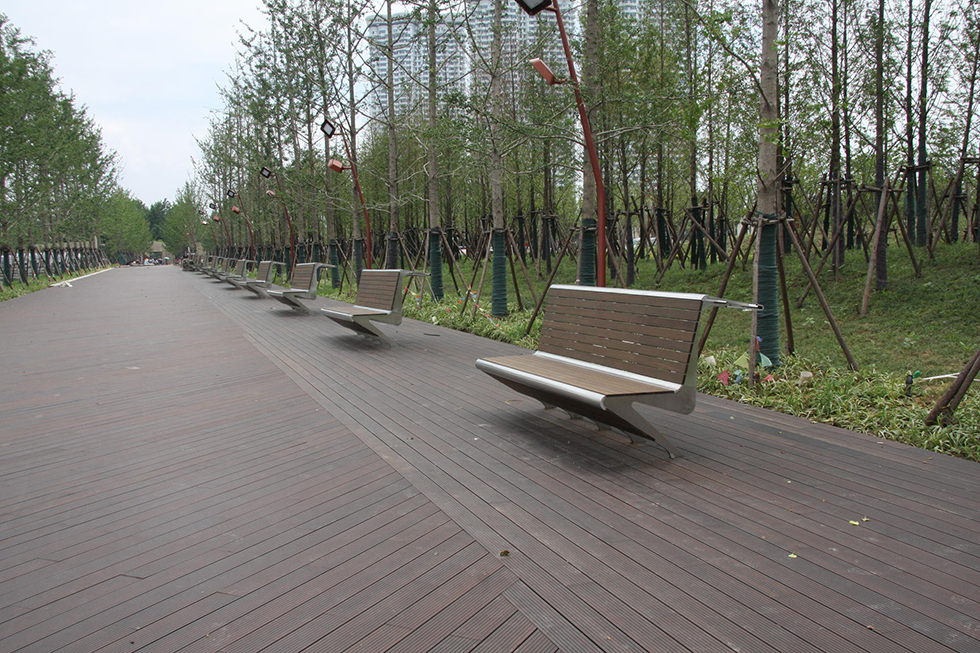
Outdoor bamboo decking has become a popular choice among builders who want a material that blends durability, natural beauty, and sustainability. As technology for manufacturing exterior‑grade bamboo has improved, builders have discovered that it can perform exceptionally well in patios, terraces, walkways, pool surrounds, and rooftop installations. Even so, bamboo decking, like any outdoor material, responds to environmental conditions, structural demands, and installation techniques. Getting the best long‑term results requires attention to specific practices that enhance stability, performance, and appearance.
Builders who are familiar with hardwood decking will find that many principles carry over, but outdoor bamboo comes with its own considerations. Its dense, strand‑woven construction makes it strong, yet it also demands precise installation to allow proper expansion, drainage, and airflow. Understanding these details helps ensure that a bamboo deck remains smooth, steady, and attractive through years of exposure to sun, rain, and temperature swings.
A successful installation begins with acclimation. Outdoor bamboo decking needs time to adjust to the local environment before it is fastened into place. Allowing the boards to sit on site, supported and ventilated, helps equalize moisture content. Because bamboo is denser than many decking woods, this step may take a bit longer, but it significantly reduces the risk of movement after installation. Builders who rush this phase often see issues such as minor cupping or slight end‑lifting in the first season.
The substructure is another critical element. While some decking materials can tolerate flexible spacing, bamboo decking performs best over a stable, rigid frame. Joists should be spaced more tightly than what might be used for softwoods, ensuring that each board is fully supported. In most cases, a spacing of around 12 inches on center is ideal, though site conditions and board thickness may influence the final choice. A sturdy frame prevents flexing, which is important because bamboo’s density means it does not bend as readily under load as some woods.
Ventilation under the deck plays a major role in the long‑term health of the material. Bamboo decking requires consistent airflow beneath the planks to prevent moisture from lingering. Stagnant moisture can stress any decking material, and bamboo is no exception. Builders should incorporate design features that encourage natural air circulation—such as adequate clearance between the ground and the deck, proper drainage slopes, and open skirting that does not trap humidity.
Proper spacing between boards is equally important. Bamboo reacts to moisture changes by expanding and contracting, though less dramatically than some hardwoods when installed correctly. Boards must be spaced according to the manufacturer’s guidelines to allow movement without creating uneven gaps later. Tight spacing might look appealing during installation, but it can cause buckling or pressure buildup once the boards absorb moisture. Builders who work in humid regions should pay particularly close attention to spacing recommendations.
Fastening choices also influence performance. Many builders appreciate the clean look of hidden fastener systems, and outdoor bamboo decking is compatible with these systems when designed for groove‑edged boards. Hidden fasteners provide uniform spacing and allow boards to move more naturally. For square‑edge boards, stainless steel screws are the preferred option. Stainless steel resists corrosion and prevents staining, which is especially important in coastal climates or areas with frequent rain. Pre‑drilling is recommended because bamboo’s density can split or crack around improperly driven screws.
End sealing is another key practice that contributes to longevity. The exposed ends of bamboo decking boards are more vulnerable to moisture intrusion than the top or bottom surfaces. Builders should apply a high‑quality end‑grain sealer immediately after cutting boards to size. This prevents moisture from penetrating the fibers and helps minimize cracking at the ends over time. Many manufacturers supply or recommend specific sealers that match the construction of their product, ensuring optimal performance.
Slope and drainage management are essential for any outdoor deck, and bamboo decking performs best when surface water drains away efficiently. A slight pitch—around 1–2 percent—directed away from the home or main structure ensures that rainwater does not accumulate on the boards. Water pooling accelerates wear and encourages discoloration. Thoughtful drainage design extends the life of the decking and keeps the surface safer and more comfortable for daily use.
Builders often ask about the best finishes for outdoor bamboo. Many modern outdoor bamboo boards come pre‑finished with durable exterior coatings that resist UV exposure and moisture. Even with these finishes, applying a protective oil or sealer after installation and refreshing it periodically keeps the deck looking uniform. Regular maintenance not only preserves color but also protects the fibers from weathering. In sunny regions, annual or semi‑annual maintenance helps maintain a rich appearance; in shaded areas, builders may find they can extend the intervals.
Sun exposure patterns matter as well. Bamboo decking will gradually change in color when exposed to sunlight, just like hardwoods. Even pre‑finished surfaces can shift over time. Builders should advise clients on how shaded and unshaded areas might weather differently. Arranging boards from multiple bundles during installation helps distribute natural variations, ensuring a more consistent appearance as the deck ages.
Expansion gaps around perimeter edges are another small but important detail. Decks naturally move with the environment, and leaving adequate room along walls, railings, and other fixed structures allows the entire surface to expand and contract freely. Without these gaps, boards may press against solid surfaces and cause slight lifting or compression. Thoughtful edge spacing also supports ventilation around the outer edges of the deck.
Builders who work near pools or water features should consider how chemicals, saltwater, or standing splashes may affect the decking. Bamboo holds up well in these environments when maintained properly, but consistent exposure to chemicals or salt can reduce coating life. Reapplying protective finishes more frequently in these areas helps preserve the deck’s appearance and structural integrity. Installing splash zones with additional drainage or directing water flow away from the deck can also improve performance.
Choosing the right type of bamboo decking for the project matters too. Not all bamboo products are created for outdoor use. Exterior‑grade bamboo decking is typically made using strand‑woven construction combined with heat treatment, resin saturation, or other processes that enhance weather resistance. Builders should confirm that the product is rated for exterior applications and carries the necessary certifications for durability and stability.
Temperature swings, especially in climates with hot summers and cold winters, require special attention during installation. Bamboo expands more in width than in length, so spacing and fastening must account for this directional movement. Builders accustomed to working with hardwoods may need to adjust their approach slightly. Careful planning before installation helps prevent issues caused by seasonal stress.
Another factor builders should consider is the installation layout. Running boards perpendicular to the direction of the main view can create a more visually appealing effect, while also helping with drainage depending on slope direction. Staggering joints and avoiding patterns where multiple end joints align helps distribute loads more evenly and prevents weak points. This is particularly important for high‑traffic decks or large installations.
Cleaning during and after installation may seem minor, but it contributes to the deck’s final appearance. Bamboo decking often arrives with protective oils or coatings, and construction dust can settle on the boards during installation. A light cleaning after fastening ensures that the finish cures evenly and presents a uniform tone. Builders should avoid using harsh chemicals or high‑pressure washing during installation, as these can compromise the surface.
Long‑term performance is heavily influenced by how well the deck is maintained. Builders who educate homeowners or property managers on proper care can reduce issues down the line. Sweeping debris, removing leaves, and keeping the deck free from moisture‑trapping objects like outdoor rugs extend the life of the finish and prevent staining. Although these maintenance tasks are simple, they significantly affect the longevity of bamboo decking.
Ultimately, outdoor bamboo decking rewards precision, thoughtful planning, and attention to detail. Its density, strength, and refined appearance make it a standout material for exterior projects, but achieving its full potential requires understanding how it behaves in outdoor conditions. Builders who follow best practices—from acclimation and spacing to fastening and finishing—create decks that stay stable, attractive, and durable for many years.
As more builders adopt bamboo decking, shared experience continues to refine installation techniques. What remains consistent is the need for proper moisture management, ventilation, and structural support. These elements form the foundation of any successful bamboo deck. When executed well, outdoor bamboo decking offers a natural, resilient, and visually appealing surface that stands up beautifully to the demands of outdoor living.
If installation is approached with care and expertise, bamboo decking provides a dependable and lasting solution for clients looking for a modern, sustainable, and high‑performance material for their outdoor spaces.