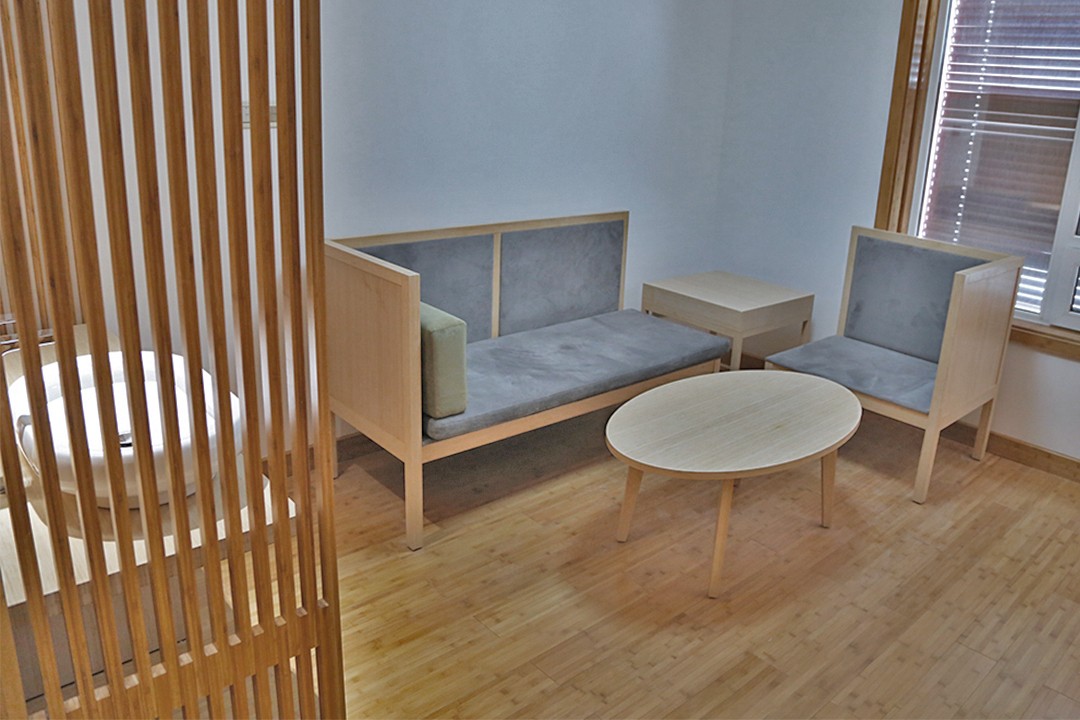
Bamboo flooring has steadily moved from residential interiors into a wide range of commercial environments. As designers, architects, and facility managers look for materials that can stand up to heavy foot traffic while also supporting long‑term sustainability goals, bamboo has become a practical option. Its strength, refined aesthetic, and eco‑conscious reputation make it an appealing choice for buildings where durability and visual consistency matter.
Commercial spaces put flooring through far more demanding conditions than most homes. Foot traffic is constant, maintenance routines are rigorous, and interior design decisions must support the brand identity or function of the business. These real‑world case studies show how bamboo flooring has performed across different industries, providing insight into why it continues to gain ground in commercial applications.
Case Study 1: Boutique Retail Store Focused on Natural Aesthetics
A small retail shop specializing in wellness products needed flooring that matched its natural branding. The design team wanted a material that delivered warmth, a clean appearance, and a sense of calm, all while withstanding the daily movement of shoppers and regular furniture rearrangement for seasonal displays.
Why Bamboo Was Selected
Bamboo offered a balanced combination of visual appeal and structural integrity. Strand‑woven planks provided the hardness necessary for a retail environment without compromising on appearance. The subtle grain and warm tones aligned with the shop’s calming atmosphere, reinforcing the store’s identity through its interiors.
Installation Approach
The flooring was installed using a glue‑down method over a level concrete slab. This gave the shop a firm walking surface and reduced sound reflection in a space that relied on a quiet, soothing ambiance. Installation took place outside business hours, minimizing downtime.
Performance Over Time
After several years of use, the bamboo floor has maintained its consistent appearance. The store experiences daily foot traffic, especially on weekends, but the durability of the finish has prevented major wear patterns from forming. Staff have found maintenance manageable through regular sweeping and occasional damp cleaning. The flooring has contributed to a cohesive brand experience, helping the store present a polished look even during busy shopping periods.
Case Study 2: Office Renovation Prioritizing Employee Comfort
A technology company renovating its workspace wanted a flooring material that felt warm and comfortable underfoot, especially in collaborative areas where teams gather throughout the day. The building managers were also interested in materials that supported healthier indoor air quality and aligned with the company’s sustainability goals.
Why Bamboo Fit the Requirements
Engineered bamboo offered the right mix of performance and comfort. With its stable core and bamboo wear layer, it resisted seasonal changes in humidity, an important consideration in a climate where air conditioning and heating frequently alternate. The company chose a matte finish to reduce glare and create a relaxed atmosphere.
Installation and Design Integration
The office used a floating installation method with acoustic underlayment. This minimized sound transfer between work areas, creating a quieter environment for employees focused on tasks or meetings. The underlayment also added a subtle softness underfoot, contributing to overall comfort.
The natural tones of the bamboo complemented the company’s interior palette, which included soft neutrals, glass partitions, and plant‑filled common areas. Designers wanted a timeless appearance that would feel modern for years without frequent updates.
Workplace Feedback and Durability
Employees have responded positively to the flooring’s feel and appearance. The stable construction has prevented warping or noise issues that can occur in older buildings with temperature variations. Even high‑traffic zones near meeting rooms show minimal wear, and cleaning staff report that the surface is easy to maintain.
The renovation helped the company achieve its sustainability certification goals, partly due to the low‑emission adhesives and finishes used in the flooring.
Case Study 3: Restaurant Seeking Hardwearing, Attractive Flooring
A mid‑sized restaurant needed flooring that could handle spills, constant movement, and daily cleanup routines. Hardwood was initially considered but was dismissed due to concerns about denting and long‑term maintenance costs. Bamboo became a strong contender because of its hardness and clean appearance.
Selection Criteria
The restaurant’s owner wanted flooring that could withstand not only diners entering and leaving throughout the day, but also furniture movement and the demands of food service. Strand‑woven bamboo was chosen for its density and ability to resist impact.
A darker finish was selected to complement the restaurant’s interior design, which featured warm lighting, upholstered seating, and polished metal accents.
Installation for Heavy Use
The installation team recommended a glue‑down method for maximum stability. A moisture‑control adhesive was used to protect the flooring from small spills that occur frequently in dining environments. Although bamboo is not waterproof, proper sealing and maintained finishes help reduce surface absorption.
Long‑Term Results
After consistent use, the bamboo flooring has held up better than expected. Chairs slide across the surface multiple times a day, but deep dents have been rare. The finish has proven resistant to stains from accidental spills, and the staff’s nightly cleanup routine has not caused damage.
Guests frequently compliment the look of the floor, which contributes to the restaurant’s warm and refined aesthetic. The durability of the bamboo has helped keep maintenance expenses lower than predicted, supporting the business’s long‑term budget planning.
Case Study 4: Wellness Center with a High Focus on Air Quality
A wellness center offering yoga classes, massage services, and therapeutic sessions needed flooring that aligned with its mission of promoting health and relaxation. Materials used in the facility had to support indoor air quality goals and offer a peaceful appearance that made clients feel calm the moment they entered.
Bamboo as a Healthy Building Material
The center selected engineered bamboo with a verified low‑VOC finish. The manufacturing process met strict indoor air quality requirements, and the flooring’s natural look contributed to a serene, spa‑like environment.
Installation Choice and Performance
A floating installation with underlayment was used to create a quiet surface. The center wanted minimal sound transmission during classes, and bamboo’s natural density, combined with underlayment, created a stable but quiet floor.
Humid conditions from showers and spa facilities can cause issues for some flooring types, but the engineered structure of the bamboo handled subtle humidity variations well. With proper ventilation, the flooring has remained smooth and stable, avoiding cupping or swelling.
Client and Staff Reactions
Clients often remark on the peaceful, natural atmosphere of the wellness center, and the flooring plays a significant role in that experience. Staff appreciate how easy the surface is to clean, especially in areas where people walk barefoot.
The decision to use bamboo supported the center’s commitment to well‑being, providing a responsibly sourced material that reinforced the calming aesthetic they wanted to cultivate.
Case Study 5: Educational Facility Needing Strong and Affordable Flooring
A private learning center required durable flooring that could stand up to constant movement, rolling chairs, and classroom activities. Budget was a significant factor, as the facility needed to cover several thousand square feet without exceeding financial limits.
Why Bamboo Stood Out
Compared to several hardwood options, strand‑woven bamboo offered a more budget‑friendly cost without sacrificing strength. The administrators were drawn to its ability to handle wear from busy classrooms while maintaining a clean and uniform appearance.
Installation and Daily Use
Given the size of the project, the flooring was installed using a click‑lock system to speed up the process. This reduced installation costs and allowed classes to resume sooner.
Over time, the bamboo has handled student activity well. Surfaces remain smooth even in areas where students gather between lessons. The finish has resisted scuffs from backpacks and chairs, reducing the need for frequent repairs or refinishing.
Long‑Term Benefits
The facility reports significant cost savings due to the flooring’s longevity. Maintenance remains simple, and the natural look of bamboo has made classrooms feel warm and inviting. The decision to use bamboo has proven financially and practically beneficial.
Why Bamboo Flooring Works Well in Commercial Settings
These case studies highlight several shared qualities that make bamboo flooring effective across different businesses.
Strength and durability
Strand‑woven bamboo holds up remarkably well against heavy foot traffic, rolling equipment, and furniture movement.
Versatile design
Bamboo offers a range of colors, textures, and finishes that support branded environments, from minimalist offices to atmospheric restaurants.
Sustainability appeal
Companies that prioritize responsible sourcing find bamboo to be a fitting choice, especially products with low‑VOC finishes and verified environmental certifications.
Comfort and acoustics
With the right installation method, bamboo provides a quiet, comfortable surface that enhances user experience.
Stable performance
Engineered bamboo maintains its form across seasonal changes, making it suitable for climate‑controlled commercial buildings.
Bamboo flooring has proven its capability to meet the demands of modern commercial spaces. Whether used in a retail shop, office, restaurant, wellness center, or school, its reliability, visual appeal, and eco friendly profile create a strong foundation for long‑term use. The combination of strength, design flexibility, and responsible sourcing continues to position bamboo as a trusted material for varied business environments.