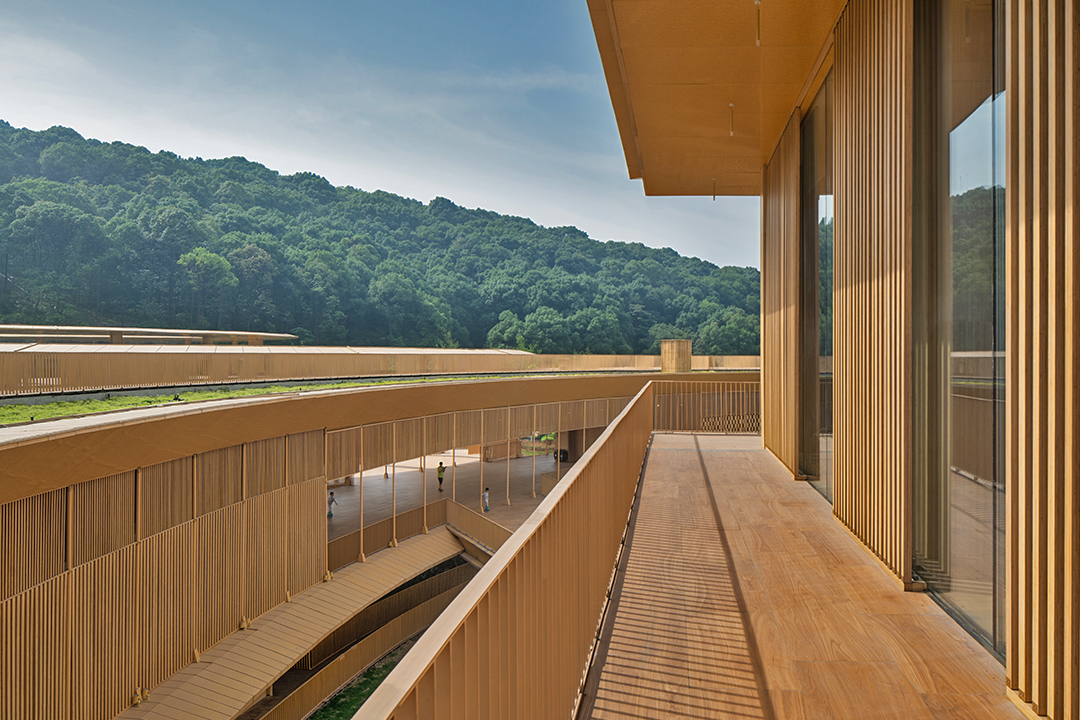
Bamboo plywood has gained steady traction among builders, designers, and furniture makers who want a material that offers strength, stability, and a distinctive natural look. While bamboo has long been used in traditional construction, the development of engineered bamboo panels has opened new possibilities. These plywood sheets provide a consistent, workable surface that performs much like hardwood panels but with unique advantages in sustainability and aesthetic appeal.
Selecting the right bamboo plywood, however, requires more than simply choosing a color or thickness. Buyers often compare densities, grain orientations, manufacturing methods, and intended applications before settling on a product. Understanding how these factors affect performance can help you make informed choices whether you are creating cabinetry, custom furniture, architectural elements, or decorative panels.
This guide gives a thorough overview of bamboo plywood sheets, their characteristics, and the key considerations that contribute to a successful purchase.
What Bamboo Plywood Is Made From
Bamboo plywood is manufactured from thin strips of bamboo that are processed, dried, and laminated into solid panels. The strips are usually taken from mature stalks, planed to uniform thickness, and bonded together under high pressure. The resulting sheets mirror the structure of regular plywood but use bamboo instead of traditional wood veneers.
Because bamboo grows quickly and regenerates without replanting, it offers a renewable alternative to hardwoods. The panels provide a balance of tensile strength, stability, and visual appeal that fits a wide range of applications.
Grain Construction Types
One of the first decisions buyers face involves grain orientation. Bamboo plywood typically comes in three construction types, each offering distinct visual and structural qualities.
Horizontal Grain
In horizontal grain panels, the wide face of the bamboo strip is visible. This arrangement showcases the characteristic “bamboo node” pattern. The surface appears wider and more natural, making this type popular for decorative work, cabinetry doors, and visible panels where the aesthetic of bamboo is part of the design.
Vertical Grain
Vertical grain panels display a finer, lined pattern. The narrow edge of each strip forms the face, resulting in a more contemporary look with subtle texture. This style suits minimalist furniture, modern interiors, and applications where a clean, uniform surface is preferred.
Strand-Woven
Strand-woven bamboo differs significantly from the other two types. Instead of using clean-cut strips, the bamboo fibers are shredded, mixed with resin, and compressed under extreme pressure. The result is a dense, extremely strong panel with a distinctive interwoven pattern. It is often used in heavy-duty applications where hardness and durability are essential.
Understanding these grain constructions helps match the plywood to the required visual style and performance level.
Thickness and Panel Sizes
Bamboo plywood sheets are generally available in industry-standard sizes to align with woodworking and construction needs. Common thicknesses include:
- 1/4 inch (6 mm)
- 1/2 inch (12 mm)
- 3/4 inch (18–19 mm)
Some manufacturers offer additional thicknesses or custom dimensions depending on the project’s demands.
Standard sheet sizes often resemble traditional plywood dimensions, such as 4×8 feet, though variations exist. Larger panels reduce seams in cabinetry and wall installations, while smaller or custom sizes help minimize waste for specialized projects.
Hardness and Durability
Buyers often compare bamboo plywood with hardwoods. The hardness of bamboo depends on the construction type and manufacturing method. Strand-woven panels are among the hardest, often exceeding oak and maple. Horizontal and vertical grain panels offer good durability but are slightly less dense.
Durability is influenced by:
- Age of bamboo used
- Moisture control during manufacturing
- Adhesive quality
- Grain orientation
- Post-processing treatments
When manufactured properly, bamboo plywood resists warping and provides consistent stability. This reliability is one reason architects and furniture makers choose it for high-precision work.
Color and Finishing Options
Color is another factor that buyers examine closely. Bamboo plywood typically comes in two primary tones:
- Natural: A light, creamy color that reflects the original appearance of bamboo.
- Carbonized: A deeper caramel brown created through controlled heat treatment.
Natural panels tend to be slightly harder, while carbonized panels offer rich warmth suited for interior design. Some manufacturers also provide stained or prefinished options.
Bamboo accepts finishes much like hardwood. Oils, varnishes, water-based coatings, and sealers can all be applied depending on the desired sheen and protection level. For high-use surfaces such as countertops or tabletops, harder finishes are typically recommended.
Formaldehyde and Adhesive Standards
Adhesives used in bamboo plywood are an important consideration—especially for interior projects. Eco-conscious buyers often look for low-emission or formaldehyde-free options. Panels may carry certifications indicating safe adhesive use, such as:
- CARB Phase 2
- EPA TSCA Title VI compliance
- E0 or E1 ratings (commonly used internationally)
Lower emissions create safer indoor environments and align with green building practices.
Moisture Resistance Factors
While bamboo has natural resistance to moisture, bamboo plywood is still susceptible to water damage if improperly handled. Proper drying during manufacturing helps control movement and prevent swelling. Some panels receive additional treatments for moisture resistance, making them suitable for:
- Bathroom vanities
- Kitchen cabinetry
- Interior wall cladding
- Certain covered outdoor uses, depending on sealing
For applications in humid areas, buyers often select higher-density panels or those specifically rated for moisture exposure.
Workability With Tools
One advantage of bamboo plywood is its compatibility with standard woodworking tools. It can be cut, sanded, routed, and drilled similar to hardwood. However, the density—especially of strand-woven panels—can be demanding on blades. Carbide-tipped tools are generally recommended for clean cuts and extended tool life.
Workability improves with:
- Sharp, high-quality blades
- Controlled feed rates
- Proper clamping to prevent vibrations
- Sanding between finish coats for smooth surfaces
Finished edges are typically smooth and present a refined appearance when handled correctly.
Cost Considerations
The cost of bamboo plywood varies based on thickness, construction type, adhesive quality, and finishing options. Strand-woven panels tend to be more expensive due to their manufacturing intensity, while horizontal and vertical grain panels are more moderately priced.
Factors that influence price include:
- Source and maturity of bamboo
- Grain orientation
- Panel size and thickness
- Certification and emissions ratings
- Finishing and customization options
Buyers should balance cost with performance needs, especially for structural or high-wear applications.
Common Uses Across Industries
Bamboo plywood is highly versatile. It appears in a wide range of commercial and residential projects:
- Furniture making: Desks, chairs, shelving, and custom pieces.
- Cabinetry: Kitchen cabinets, drawers, and storage units.
- Architectural components: Wall panels, ceilings, and room dividers.
- Countertops: Particularly when reinforced and sealed properly.
- Flooring substrates: Underlayment or decorative top layers.
- Craft and hobby projects: Small items, accessories, and décor.
Its uniform appearance and dimensional stability allow it to perform well in precise joinery and detailed woodworking.
Quality Factors to Compare Before Buying
When evaluating bamboo plywood, buyers often assess several indicators of overall quality.
Consistency of Lamination
Look for uniform bonding between layers. Any gaps or visible separations may lead to delamination.
Surface Smoothness
Well-processed panels arrive smooth and ready for finishing with minimal prep work.
Color Uniformity
Natural and carbonized panels should display consistent tones without irregular streaks or discoloration.
Moisture Content
Stable moisture levels help prevent warping after installation.
Certification Labels
Quality certifications indicate adherence to safety and emissions standards.
Edge Quality
Cleanly machined edges suggest careful processing and reliable internal structure.
Evaluating these markers helps ensure that the plywood performs as expected once fabricated.
Environmental Benefits as a Purchasing Factor
Many buyers choose bamboo for its environmental profile. The plant matures quickly—often within five years—and regenerates through its root system without replanting. Responsible farms manage harvesting cycles to maintain soil health and long-term productivity.
Manufacturers focused on sustainability may also:
- Limit chemical treatments
- Use low-emission adhesives
- Source from certified plantations
- Invest in energy-efficient production methods
For those prioritizing eco-friendly materials, these practices play an important role in the decision-making process.
Tips for Making a Smart Purchase
Before selecting bamboo plywood for a project, consider the following:
- Identify the primary application and required structural strength.
- Choose grain orientation based on design style.
- Verify certifications related to emissions and adhesive safety.
- Confirm thickness and sheet size alignment with project dimensions.
- Inspect or request details on lamination quality and moisture control.
- Determine whether natural or carbonized panels best match the intended aesthetic.
- Ask suppliers about recommended finishing and care methods.
These steps help ensure the chosen panels meet the practical and visual demands of the project.
Final Thoughts
Bamboo plywood sheets offer a blend of strength, adaptability, and natural beauty that suits a wide variety of building and design applications. Their performance is shaped by factors such as grain orientation, density, adhesives, moisture content, and finishing options. By understanding these characteristics, buyers can select panels that work harmoniously with their craftsmanship goals, whether for furniture, interiors, or architectural features.
A careful approach to choosing bamboo plywood leads to dependable results and materials that showcase both functionality and visual appeal.